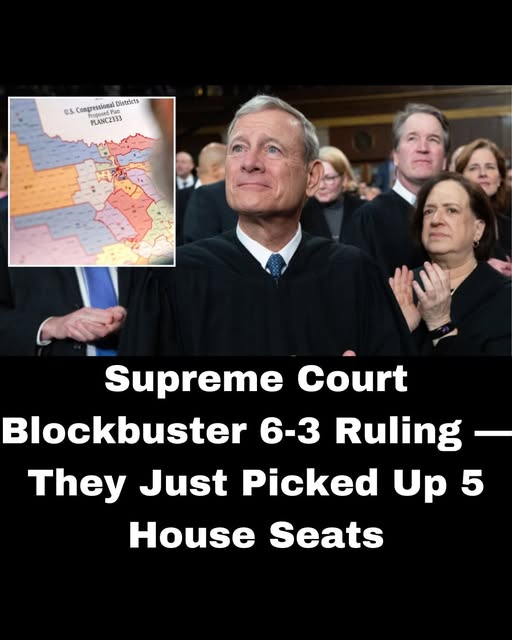
Behind the legal language and courtroom filings lies a much bigger struggle—one that could shape political representation for millions of Americans over the next decade. At the center of it is a familiar but deeply contested issue: how electoral maps are drawn, and who ultimately benefits from those decisions.
Recent developments involving Texas have reignited debate over the boundaries of partisan redistricting. By allowing the state’s revised map to stand while legal challenges continue, the U.S. Supreme Court effectively signaled that, at least for now, partisan map-drawing remains broadly permissible when it is framed as a political question rather than a racial one. That distinction is not merely technical—it sits at the heart of ongoing disputes between civil rights advocates, state officials, and the courts.
Critics argue that this approach opens the door for increased political advantage in how districts are shaped. Civil rights organizations and some legal scholars warn that when partisan intent is given wide latitude, it can become difficult to distinguish between legitimate political structuring and maps designed to dilute voter influence. Supporters of the ruling, however, maintain that states retain constitutional authority over elections and that courts should be cautious about intervening in what are fundamentally political decisions.
Keep reading…