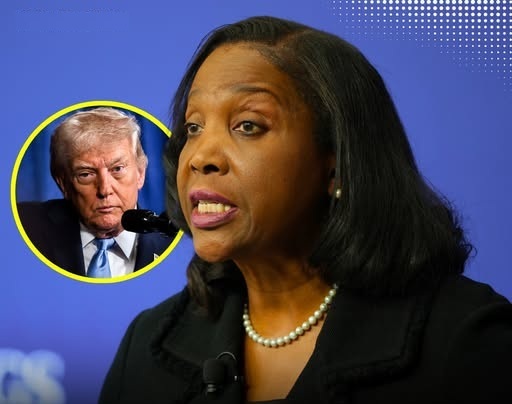
Concerns about central bank independence
Legal experts note that Federal Reserve governors are typically protected by statutory safeguards that limit removal to specific circumstances, such as misconduct or incapacity. These protections are intended to shield monetary policy from short-term political influence and preserve confidence in the U.S. financial system.
Questions from the justices suggested unease about setting a precedent that could allow future administrations to exert greater control over the Federal Reserve’s leadership. Several members of the Court appeared to weigh whether such an action would conflict with established legal principles governing independent agencies.
Broader implications
The case is being closely watched by economists, financial markets, and policymakers, as it could have far-reaching implications beyond the immediate dispute. A ruling that weakens the Federal Reserve’s independence could alter how markets perceive the stability and predictability of U.S. monetary policy.
Supporters of stronger executive authority argue that elected presidents should have greater control over federal officials. Critics counter that central bank independence has been a cornerstone of economic stability for decades and should remain protected regardless of political leadership.
At this stage, the Supreme Court has not issued a ruling, and no final decision has been announced. The case underscores ongoing tensions between executive power and institutional independence, a debate that continues to shape the boundaries of American governance.