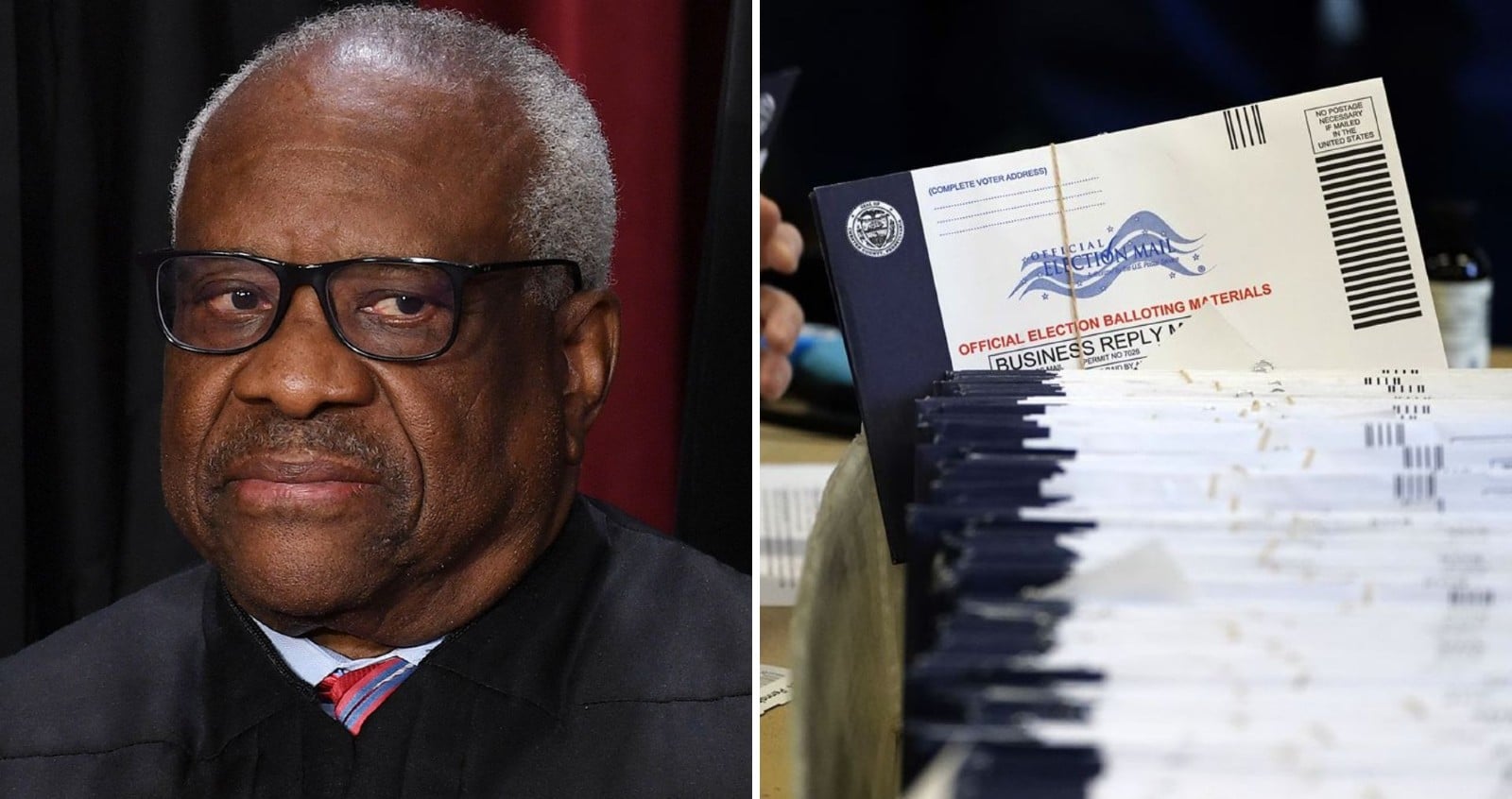
Key Findings From the Court
Writing for the majority, Chief Justice John Roberts said that candidates for public office have a legitimate and specific interest in the rules that govern how votes are counted in elections in which they are competing.
“Candidates have a concrete and particularized interest in the rules that govern the counting of votes in their elections,” Roberts wrote, adding that this interest exists regardless of whether the rules affect the candidate’s likelihood of winning or campaign expenses. He emphasized that this concern extends to the overall integrity of the democratic process.
Bost originally filed his lawsuit in 2022, arguing that Illinois’ absentee ballot law conflicts with federal statutes establishing a single Election Day for federal offices. While he did not allege voter fraud, he contended that differing ballot-receipt deadlines raise questions about consistency with federal law.
Dissent and Legal Concerns
Two justices dissented from the ruling, expressing concern that granting standing to candidates could lead to a surge of election-related lawsuits. According to reporting by CNN, the dissent warned that the decision might encourage candidates to challenge established election procedures more frequently, potentially increasing uncertainty after close races.
Legal analysts echoed similar concerns. Steve Vladeck, a Supreme Court analyst and professor at Georgetown University Law Center, noted that the ruling could broaden the scope of who may challenge election rules.
“If candidates generally have standing to challenge how votes are counted in elections they’re running in, that could significantly expand election-related litigation,” Vladeck said, adding that such challenges could arise even when elections are conducted according to existing rules.
Broader Implications for Election Law
Illinois officials had argued that allowing the lawsuit to proceed could burden election administrators and disrupt established voting practices. However, the Supreme Court’s decision focused narrowly on whether Bost had the legal right to bring the case, not on the merits of the underlying law.
In an opinion column published in The Hill, Susan Shelley, president of the nonpartisan civic group Valley VOTE, wrote that the ruling could affect election laws nationwide. She pointed to federal statutes that establish a single Election Day and questioned whether those laws may override state rules allowing ballots to be counted after that date.
Shelley noted that the Court’s ruling clarifies who may bring such challenges, writing that candidates for federal office now have standing to contest vote-counting rules in their own races.
What Happens Next
The Supreme Court did not rule on whether Illinois’ absentee ballot law is lawful. Instead, the case now returns to lower courts for further consideration. Legal experts say the outcome could influence similar laws in other states, particularly as debates over mail-in voting and election procedures continue.
As election policy remains a central issue in national politics, the Court’s decision underscores the judiciary’s growing role in resolving disputes over how elections are conducted—and who has the authority to challenge those rules.