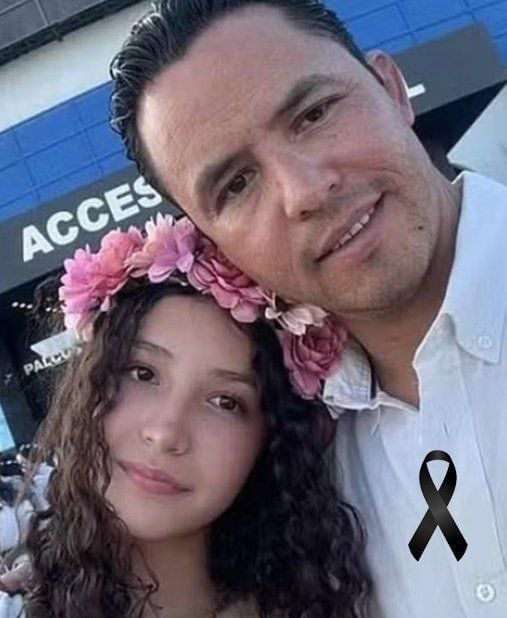
Her body began shutting down long before anyone understood why.
It started as a “simple” experiment, a fleeting moment of curiosity copied from a video she’d seen online. Innocent, she thought. Safe. But it quickly turned into a fatal mistake no one could have predicted. Doctors were helpless. Her parents could only watch in despair as life drained from their child’s eyes. She had only applied sili…
At just 14, she was curious, trusting, and eager to explore. She wanted to emulate an image she believed she needed to match, a fleeting ideal seen in friends, media, or social platforms. What she didn’t know was that the silicone she applied triggered a cascade of internal damage, overwhelming her body’s fragile systems. Her organs began to fail one by one, and by the time doctors understood the source, it was far too late. The family was forced to confront the unthinkable: saying goodbye to a vibrant life cut tragically short by a single moment of experimentation.
In the days that followed, the emptiness of her room was unbearable. Her school uniform sat folded in the closet, untouched. Her phone, silenced and dark, became a painful reminder of what was lost. Friends and classmates gathered for candlelight vigils, struggling to accept that a viral trend—or a seemingly harmless choice—could lead to such devastation. Teachers, doctors, and community members echoed the same message: pause. Question. Seek help. Don’t let curiosity become irreversible.
Her story now travels far beyond her own circle, carried by parents and medical professionals who hope to save other young lives. It’s a cautionary tale for teens, parents, and educators alike: not everything seen online, in social media trends, or among friends is safe to replicate. Even substances marketed as harmless can have deadly consequences.
Continue reading on next page…