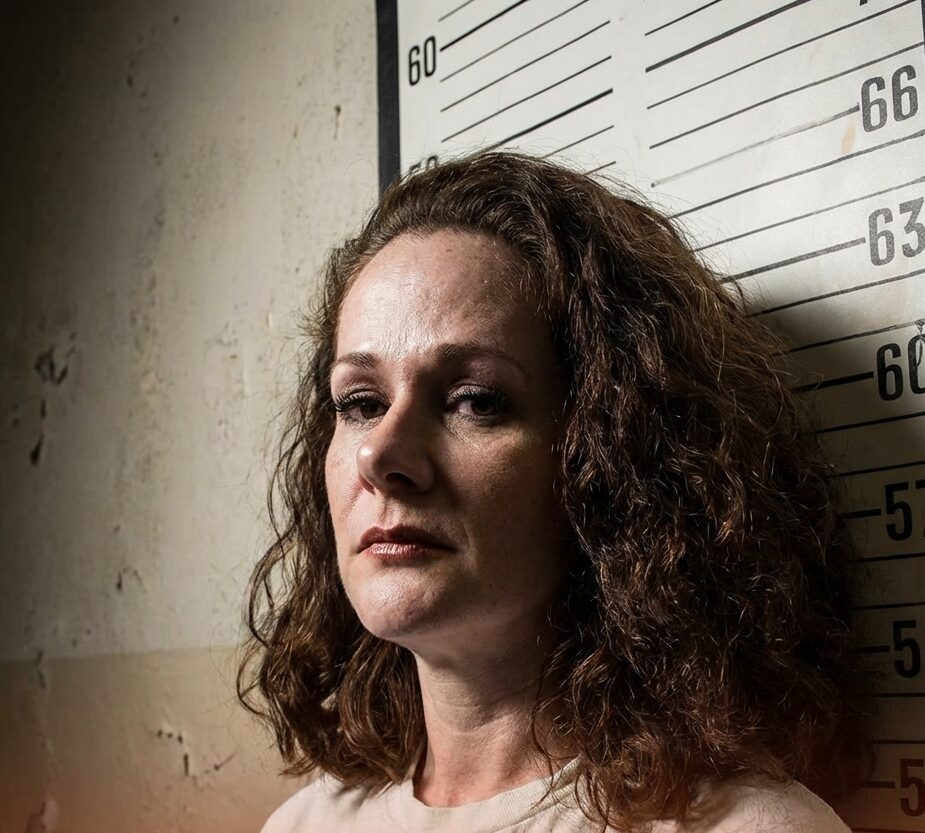
Her legal team continues to push for clemency, requesting her sentence be reduced to life without parole. They argue that her history of abuse, hardships, and later-diagnosed mental health struggles were not fully considered during her original trial. Whether these appeals will succeed remains uncertain, but the case has already reignited one of the most divisive debates in the U.S.: how—and when—the death penalty should be applied.
This landmark case isn’t just about one individual; it’s a moment for the nation to reflect on justice, fairness, and the lasting consequences of decisions made decades ago.
What do you think—should age and mental health factor into death penalty cases? Share your thoughts below.