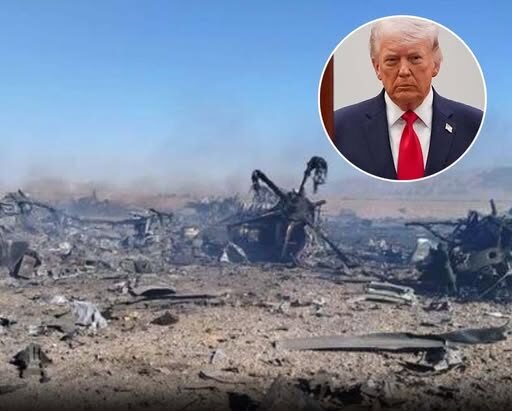
The mountains of Iran became a battleground of tension, fear, and split-second decisions when an American F-15 pilot was forced down during a critical mission. What began as a routine sortie instantly turned into a life-or-death scenario, drawing the attention of U.S. military leadership and intelligence teams in Washington. For a moment, every eye in the Pentagon and the White House was glued to radio transmissions that could mean the difference between disaster and survival.
One of the two pilots was quickly recovered, but the other vanished into the rugged terrain, facing both the natural dangers of the mountains and the looming threat of hostile forces. Reports indicated that Iranian authorities and local civilians were offered rewards for locating him, turning the environment itself into a perilous obstacle course. Hidden in a rocky crevice with only a handgun, the pilot’s survival depended on more than skill—it relied on calm under extreme pressure and unwavering focus.
Then came the moment that froze hearts thousands of miles away. Over the radio, the pilot whispered a phrase that sounded like a prayer. To those listening in Washington, it raised a terrifying question: could this signal be a trap? Was Iran attempting to lure U.S. forces into a deadly ambush under the guise of a distress call? For generals and intelligence analysts, the seconds that followed were tense, as every beep of tracking data and every signal interpretation was scrutinized for potential deception.
Continue reading on next page…