As soon as the first warm days of spring arrive, many gardeners feel the same urge: get outside, start planting, and bring the garden back to life.
But according to gardening experts, rushing into planting too early can be one of the biggest mistakes you make all season.
While sunshine and warmer air may suggest it’s time to start digging, what’s happening beneath the surface matters far more than the date on the calendar.
And if your soil isn’t ready, your plants may struggle long before they have a chance to thrive.
Why Timing Matters More Than the Calendar
One of the most common misconceptions among gardeners is assuming that spring weather automatically means planting conditions are ideal.
In reality, soil often lags behind air temperatures.
Even when daytime temperatures feel pleasant, the ground may still be cold, overly wet, or compacted from months of winter weather.
Planting into soil that hasn’t fully recovered can lead to:
- Poor seed germination
- Weak root development
- Increased risk of rot
- Stunted growth
- Lower yields later in the season
Successful gardening starts below the surface.
What Gardening Experts Recommend
Experienced gardeners emphasize that soil conditions—not calendar dates—should guide planting decisions.
Healthy soil creates the foundation for strong root systems, vigorous growth, and productive plants.
When soil remains cold and waterlogged, roots struggle to access oxygen and nutrients, making it difficult for plants to establish themselves properly.
Patience during early spring often leads to stronger, healthier gardens later in the year.
The Simple Soil Test Anyone Can Do
Fortunately, determining whether your garden is ready doesn’t require specialized equipment.
A simple hand test can provide valuable insight.
The Squeeze Test
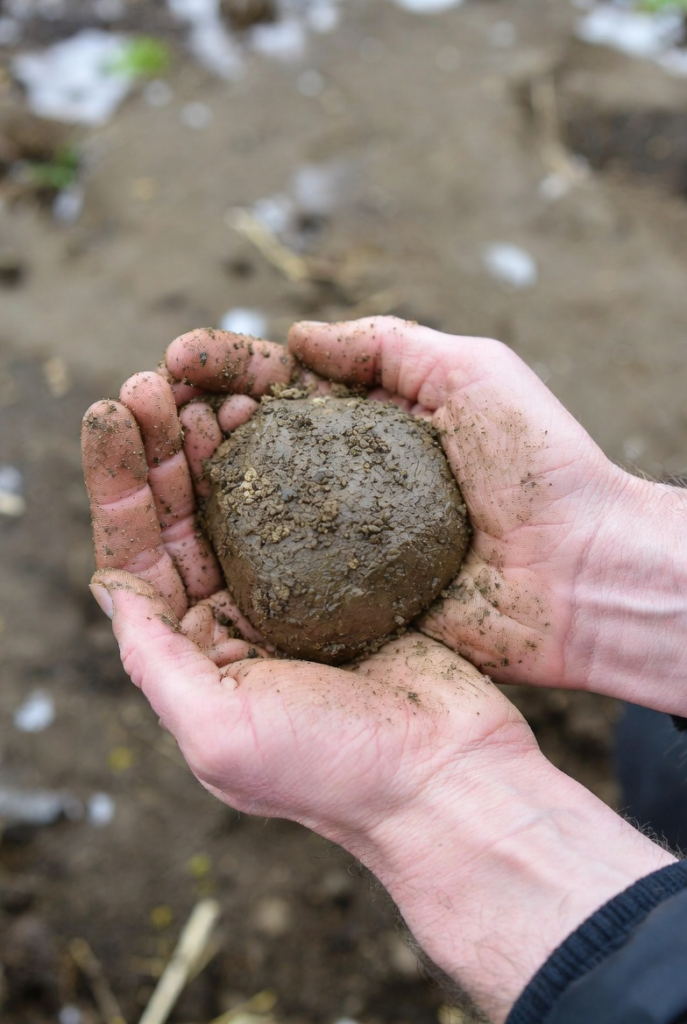
Pick up a handful of soil from your planting area and squeeze it firmly in your hand.
If the soil forms a dense, sticky ball that stays together, it’s likely still too wet for planting.
Heavy, compacted soil can limit root growth and increase the risk of disease.
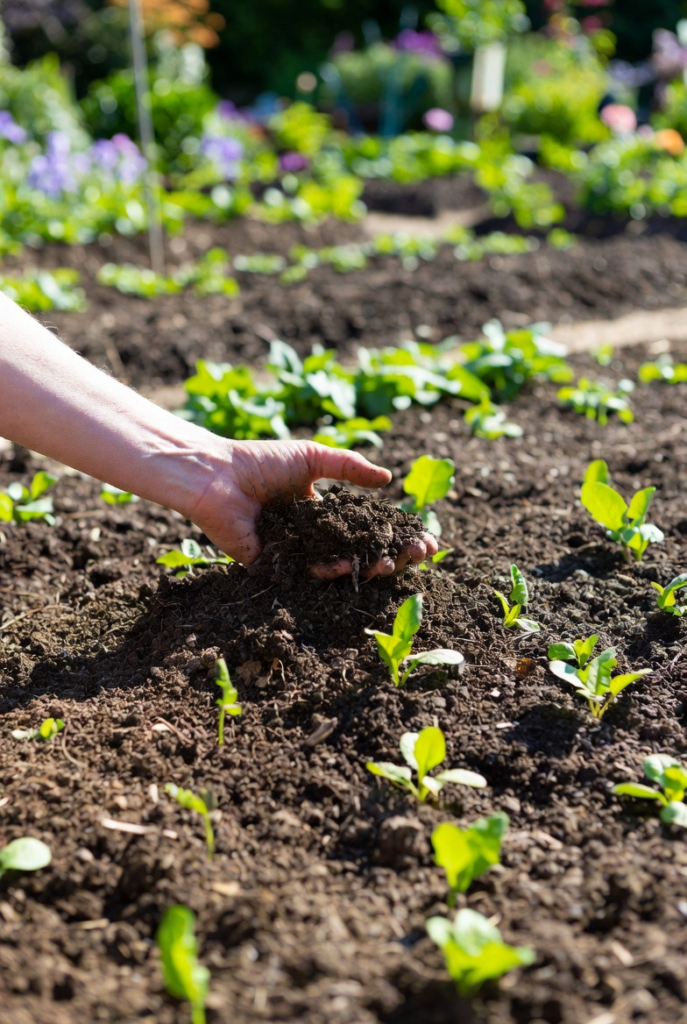
On the other hand, if the soil breaks apart easily and crumbles when lightly touched, conditions may be much closer to ideal.
This crumbly texture often indicates better drainage, improved structure, and healthier growing conditions.
Why Early Spring Can Be Deceptive
One warm afternoon doesn’t necessarily mean winter is finished.
Spring weather can be unpredictable, with mild days often followed by sudden cold snaps or overnight frosts.
Young plants and tender seedlings are especially vulnerable to these temperature fluctuations.
A brief return of freezing conditions can damage or kill new growth before plants have an opportunity to establish themselves.
That’s why many gardening professionals encourage caution rather than rushing to plant at the first sign of sunshine.
What You Can Plant When Conditions Are Right
Once soil conditions improve, several cool-season crops can thrive during early spring.
Popular options include:
- Spinach
- Radishes
- Beets
- Arugula
- Parsnips
- Winter salad greens
- Certain bean varieties
These crops are often well-suited to cooler temperatures and can provide an excellent start to the growing season.
Spring-flowering bulbs and certain ornamental plants may also be planted if the ground is workable and not excessively saturated.
What To Do If Your Soil Isn’t Ready
If your garden fails the squeeze test, don’t worry.
There are plenty of productive tasks that can help prepare your landscape for the months ahead.
Divide Perennials
Early spring is an excellent time to divide many perennial plants.
Separating healthy sections and replanting them can rejuvenate growth while increasing the number of plants in your garden.
Prune Carefully
Late winter and early spring are often ideal for pruning certain flowering climbers and shrubs.
Always use clean, sharp tools to reduce stress on plants and minimize the risk of disease.
Improve Garden Beds
Adding compost, removing debris, and preparing planting areas can improve soil structure and create better growing conditions once planting season fully arrives.
The Importance of Choosing the Right Location
Another key gardening principle is placing plants where they are most likely to succeed.
Some landscapes naturally retain moisture longer than others.
If your garden contains heavy clay soil or areas that stay wet well into spring, consider using raised beds or containers for more sensitive plants.
Containers can provide:
- Better drainage
- Improved soil control
- Easier temperature management
- Greater flexibility for plant placement
Sometimes working around challenging soil conditions is more effective than trying to fight them.
Patience Is Often the Secret to Gardening Success
Many gardening setbacks can be traced back to one simple factor: impatience.
While it’s tempting to start planting as soon as the weather improves, successful gardeners understand that timing matters.
Allowing soil conditions to improve before planting often leads to stronger roots, healthier plants, and more productive gardens throughout the growing season.
Final Thoughts
Spring gardening is exciting, but the best results come from working with nature rather than rushing ahead of it.
Before planting your first seeds or transplanting young plants, take a moment to check your soil’s condition. A few extra days—or even a couple of weeks—of patience can make a significant difference in your garden’s success.
Healthy gardens aren’t built by planting first. They’re built by planting at the right time.
And sometimes, waiting is the most important gardening task of all.