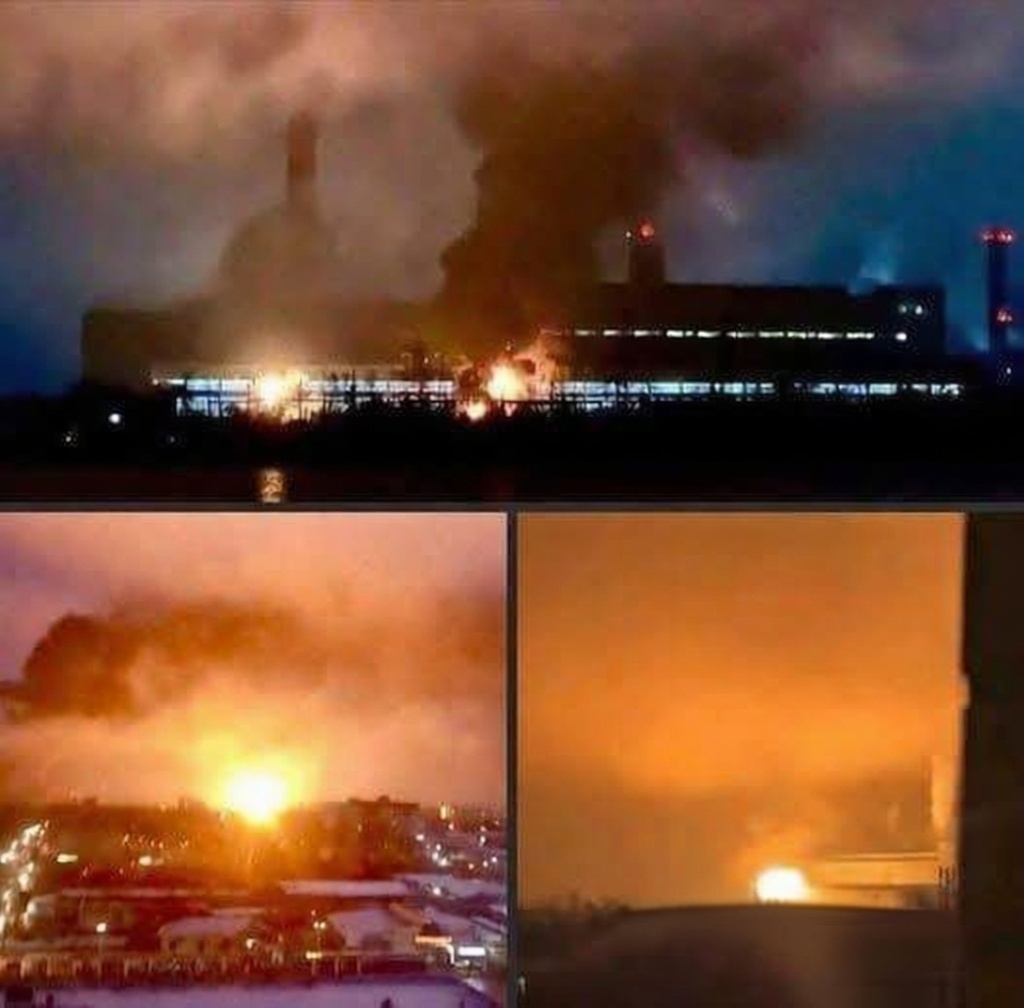
And almost instantly, people began to react.
A Message That Spread Faster Than Context
In earlier years, updates like this would have been limited to official channels—government statements, news broadcasts, or emergency systems with clear verification.
But now, the message appeared everywhere at once.
On phones. On websites. On apps that normally had nothing to do with news.
What made it more confusing was what followed.
Below the headline, users began seeing different variations of “recommended content,” unrelated links, and automated suggestions that didn’t clearly explain the situation.
Some interpreted it as breaking news.
Others thought it was a warning.
And some weren’t sure what to believe at all.
Confusion Creates Its Own Momentum
As people tried to understand what was happening, the reaction itself started to shape the story.
Search engines recorded sudden spikes in queries about “global security alert.” Social platforms saw millions of posts asking the same question: Is something happening right now?
But there was no single event to point to.
No confirmed crisis.
No official emergency declaration.
Just fragments of information moving faster than verification.
Experts Step In to Calm the Situation
Cybersecurity analysts and communication specialists quickly explained a key point:
Not every “alert” is a warning of danger.
Some are automated content distributions, designed to push updates, reminders, or general information across multiple platforms.
However, when these systems lack clear labeling—or when they appear alongside urgent language—they can easily be misinterpreted.
And in today’s digital environment, interpretation spreads faster than facts.
The Real Issue Isn’t the Alert—It’s the Reaction
Researchers emphasized that modern information systems don’t just deliver news.
They amplify attention.
A simple headline can be reshared, reworded, and reposted so many times that its original meaning becomes unclear.
In this case, the phrase “global security” was enough to trigger concern, even though no confirmed threat was associated with it.
The result was a wave of uncertainty driven more by perception than reality.
Behind the Scenes: What Was Actually Happening
As investigations continued, a clearer picture emerged.
The alerts were part of a coordinated information distribution system used by multiple platforms to push updates about safety awareness, cybersecurity tips, and general public information.
However, due to a formatting error across several networks, the same message template began appearing without its explanatory context.
So instead of a calm advisory, users only saw the headline.
And that changed everything.
When Information Loses Its Context
Without supporting details, even neutral messages can feel alarming.
A line meant to inform became something people interpreted as a warning.
A routine update began circulating like breaking news.
And a technical formatting issue turned into a global moment of confusion.
The Aftermath: Lessons From the Incident
Once the issue was identified, platforms began restoring full context to the alerts. Headlines were adjusted, missing descriptions were added back, and clarification messages were released.
But the reaction had already happened.
And that reaction left behind an important reminder:
In a connected world, information doesn’t need to be dangerous to feel urgent.
It only needs to be unclear.
A Final Thought
What appeared to be a global security scare was not a single event—but a chain reaction of incomplete information spreading too quickly.
And as systems become faster, more automated, and more interconnected, one question remains:
Are we reacting to real emergencies…
or to missing context?
Because sometimes, what feels like a global alert is really just a message that lost its explanation along the way.