Tattoos have become far more than body art. For millions of people around the world, they represent memories, emotions, personal struggles, achievements, and identity. What once may have been viewed simply as decoration has evolved into one of the most meaningful forms of self-expression in modern culture.
Every tattoo tells a story. Some people choose designs that reflect their passions, beliefs, or personality, while others use tattoos to honor loved ones or preserve important moments in their lives. Unlike temporary fashion trends, tattoos often carry emotional value that remains significant for years, making them deeply personal symbols rather than simple artwork.
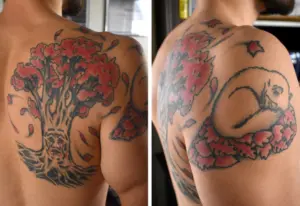
One of the biggest reasons people get tattoos is to express who they truly are. In a world where individuality matters more than ever, tattoos allow people to showcase pieces of their identity in a creative and lasting way. A meaningful quote, a symbolic image, or even a small minimalist design can represent strength, freedom, resilience, or hope. For many individuals, these symbols become daily reminders of their values and life experiences.
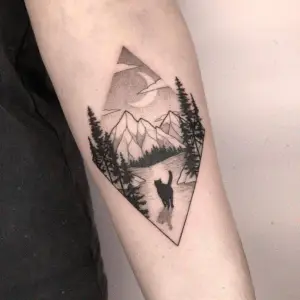
Memorial tattoos are especially powerful because they help people stay emotionally connected to someone they have lost. Many choose to tattoo handwritten messages, birthdates, portraits, or meaningful objects associated with a loved one. These designs often provide comfort during difficult times because they preserve memories in a deeply personal form.
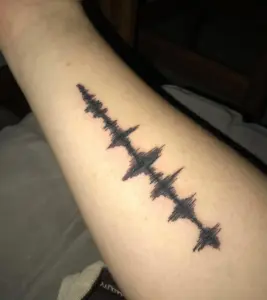
One emotional example involved someone who tattooed the soundwave of their father’s laughter. Instead of selecting a traditional portrait, they chose a design that captured the happiness and warmth he brought into their life. Every glance at the tattoo reminded them not only of his presence but also of the joyful memories they shared together.
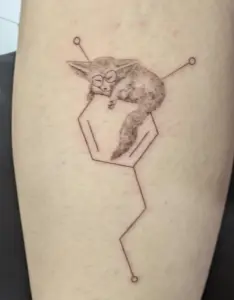
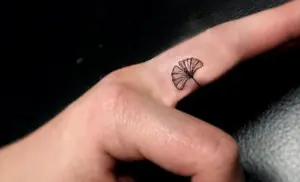
Family traditions also inspire meaningful tattoos. Some designs carry stories passed down through generations. One woman chose a tattoo of ginkgo leaves because the tree held special significance in her family for decades. The symbol represented strength, endurance, and hope shared among generations of women. Another individual honored their grandfather with sunflowers and a flamingo feather, reflecting his cheerful and unforgettable personality.
Pets often inspire emotional tattoos as well. Many people consider their animals part of the family, and losing them can leave a lasting emotional impact. Memorial tattoos dedicated to pets frequently symbolize loyalty, companionship, and unconditional love. Some designs feature realistic portraits, while others use artistic or symbolic imagery to reflect the bond between owner and pet.
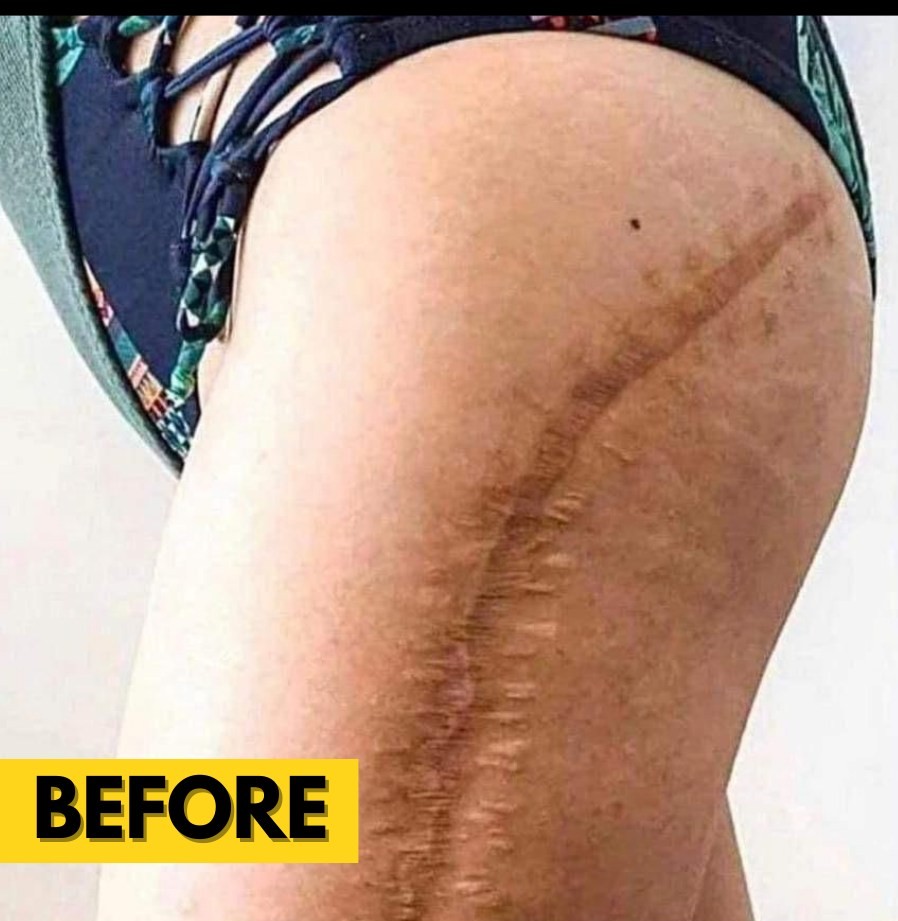
Tattoos are also closely connected to personal healing and survival. People who overcome illness, trauma, addiction, or emotional hardship often choose tattoos to represent their strength and recovery. A simple phrase, symbol, or date can become a powerful reminder of perseverance during life’s most difficult moments.
Mental health tattoos have gained increasing recognition in recent years. Among the most meaningful symbols is the semicolon tattoo, which represents the decision to continue a story instead of ending it. For many individuals, it symbolizes hope, survival, and resilience through depression, anxiety, or emotional struggles. Families and friends sometimes even get matching tattoos to support loved ones during challenging periods in life.
One important truth about tattoos is that their meaning is not always visible to others. A design that appears simple or ordinary may carry deep emotional significance for the person wearing it. This is why tattoos should never be judged only by appearance. Behind every tattoo could be a story of love, grief, healing, or personal transformation.
Throughout history, tattoos have also played important cultural and spiritual roles. In many societies, tattoos symbolized identity, courage, protection, or rites of passage. Indigenous cultures around the world have used tattoos for centuries as expressions of heritage and belonging. Even today, these traditions continue to influence modern tattoo culture and remind people of the deeper meanings connected to body art.
At the same time, tattoos are recognized as a powerful form of artistic creativity. Skilled tattoo artists transform personal emotions into visual masterpieces using styles ranging from realism and geometric patterns to watercolor effects and handwritten designs. Every tattoo becomes a collaboration between storytelling and art, making each piece completely unique.
Public attitudes toward tattoos have changed dramatically over the years. While tattoos were once associated mainly with rebellion, they are now common among people from all professions and backgrounds. Teachers, doctors, athletes, entrepreneurs, musicians, and parents proudly wear tattoos that represent important parts of their lives.
Social media has also helped reshape public perception by sharing emotional tattoo stories that connect with millions of people. Viral posts about memorial tattoos, recovery journeys, and family tributes often resonate deeply because they reflect universal human experiences such as love, loss, hope, and resilience.
Ultimately, tattoos represent something deeply personal and timeless. They allow people to preserve memories, celebrate survival, honor relationships, and express identity in a permanent way. While every tattoo may look different, the emotions behind them are often rooted in the same human experiences that connect us all. For many people, tattoos are not simply ink on skin — they are chapters of life written permanently into art.