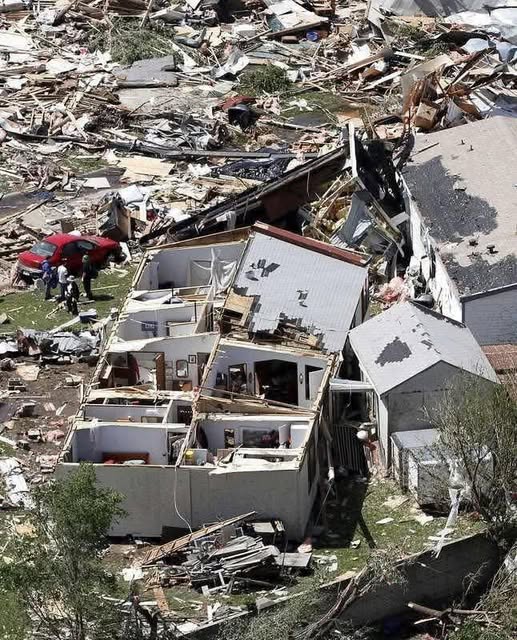
Even in devastation, acts of solidarity emerge. Neighbors clear debris together, businesses donate supplies, and volunteers organize food drives. These collective efforts offer practical help and emotional reassurance, reinforcing a sense of shared purpose.
Digital platforms often play a key role. Social media and messaging apps help coordinate volunteers, share supply points, and streamline donations, improving response efficiency.
Long-Term Recovery and Infrastructure Challenges
Rebuilding after large-scale destruction is complex. Roads, bridges, water systems, and electrical grids may take months or years to restore. Families navigate insurance claims, financial aid, and rebuilding permits, often while dealing with ongoing emotional stress.
Reconstruction is also an opportunity to build resilience. Updated building codes, improved drainage, and reinforced utilities help communities withstand future events. Funding comes from government programs, charitable contributions, and private donations—but fair distribution requires careful oversight.
Displacement Decisions
Many families face tough choices: rebuild in their old neighborhood or relocate permanently? Factors like structural safety, finances, employment, and emotional readiness guide these decisions. Temporary housing—rental assistance, modular units, or shelters—bridges the gap, but prolonged displacement adds stress.
Protecting Vulnerable Populations
Low-income families, the elderly, and those without insurance face greater hardships. Outreach efforts, multilingual communication, and accessibility accommodations ensure that everyone receives support. Continuity of healthcare—medications, vaccinations, and mental health services—is essential.
Education, Youth, and Stability
Schools provide stability during chaos. Temporary classrooms, online learning, or alternative sites help maintain education. Teachers often offer emotional support in addition to academics. Youth programs, recreational activities, and community arts initiatives build resilience and connection among children.
Economic Recovery and Local Businesses
Businesses suffer from damaged storefronts, interrupted supply chains, and lost revenue. Grants, low-interest loans, and tax relief help restore commercial activity, providing jobs and revitalizing neighborhoods. Public-private partnerships accelerate recovery and strengthen long-term community resilience.
Media, Awareness, and Preparedness
Media coverage informs the public, highlights urgent needs, and mobilizes support while respecting privacy. Public awareness campaigns educate communities on emergency planning, evacuation procedures, and safety strategies. Lessons from one disaster often improve preparedness for the next.
Hope, Resilience, and Renewal
Even amid destruction, communities demonstrate remarkable resilience. Rebuilding isn’t just physical—it’s emotional and social. Memorial events, volunteer days, and neighborhood initiatives reinforce collective identity and hope. Over time, damaged areas often become stronger, safer, and more connected.
Shared adversity can deepen bonds, create trust, and leave a lasting legacy of cooperation. Preparedness and early warning systems ensure communities are better equipped for future crises.
Conclusion: Strength Rising From Adversity
Large-scale destruction brings uncertainty, displacement, and emotional strain. Yet communities show extraordinary courage, empathy, and unity. Emergency responders save lives, volunteers provide support, and leaders coordinate recovery efforts.
While destruction disrupts routines and physical spaces, it cannot erase determination and solidarity. Communities emerge stronger when they work together—reclaiming stability, hope, and a brighter future.
Every act of help matters. Share this story, support local emergency preparedness, and be part of building stronger, more resilient communities.