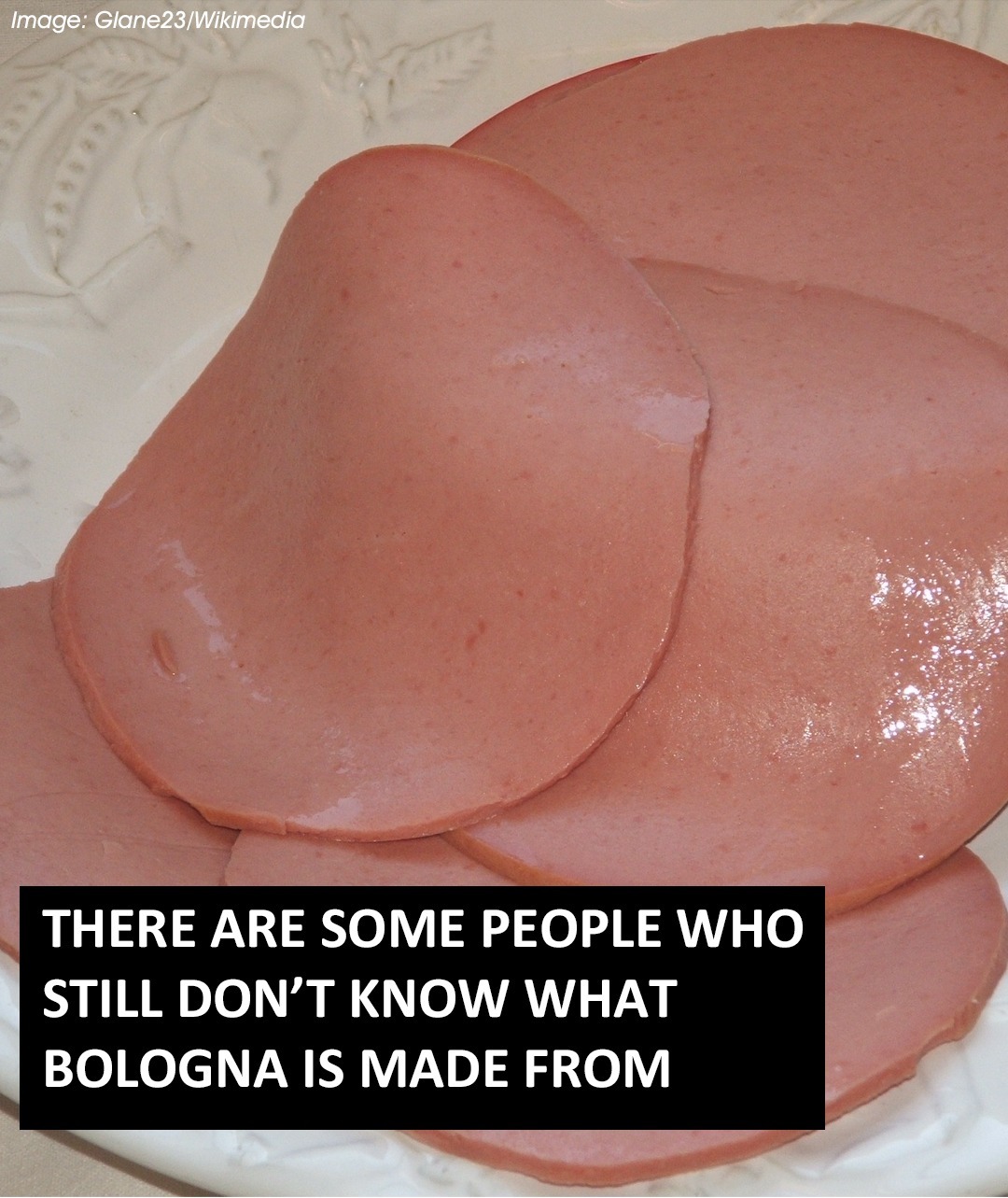
Contrary to internet myths, food production in the United States is heavily regulated. Manufacturers must follow strict inspection and labeling rules regarding what can legally be included in processed meats. While bologna is certainly processed food, the idea that it commonly contains random “horror story” ingredients is largely outdated and exaggerated. Most commercial products rely on standard cuts of meat and fat designed to deliver consistent texture, flavor, and affordability.
The origins of bologna actually trace back to a much more celebrated European product: mortadella. Mortadella comes from Bologna, Italy, and is considered a traditional delicacy rather than a low-budget lunch item. Unlike American bologna, mortadella often contains visible cubes of fat, black peppercorns, and even pistachios. It’s rich, flavorful, and tied deeply to Italian culinary heritage.
American bologna evolved differently. Manufacturers simplified the recipe and texture to create a product that could be mass-produced efficiently while staying affordable for families. The result was the smooth, uniform slices now familiar in grocery stores nationwide. While critics often mock bologna as “cheap food,” millions of people continue buying it because it remains convenient, filling, and comforting.
Nutrition-wise, bologna falls into the processed meat category, meaning moderation is important. It often contains sodium, preservatives, and saturated fat levels higher than fresh meats. Still, for many consumers, it’s less about health perfection and more about nostalgia, convenience, and taste.
In the end, bologna is not some terrifying mystery food hiding dark secrets. It’s a modern processed sausage with roots in centuries-old traditions, adapted for today’s supermarkets and busy lifestyles. Whether you love it, avoid it, or occasionally enjoy it for childhood memories, understanding what’s actually inside helps separate fact from fiction.
What’s your opinion on bologna — classic comfort food or something you avoid? Share your thoughts in the comments and follow for more surprising food facts and grocery store insights.