
Michael Douglas on Beating Cancer: “It Made Me a Free Man”

Thirteen years after surviving a life-threatening battle with throat cancer, Michael Douglas opens up about how the experience changed him forever. Diagnosed in 2010 after nearly a year of misdiagnosed symptoms, the two-time Academy Award winner credits modern medicine, resilience, and perspective for his survival.
Douglas revealed to Paris Match that during chemotherapy and radiation, death was never on his mind. “It’s weird, I know, but it never crossed my mind that I could die,” he said. “My mother was 92 when she died. My father recently celebrated his 102nd birthday. I’ve never thought much about death or aging.” By 2011, he was cancer-free. “I check every six months. One thing is certain: my cancer has made me a free man,” he explained.

Why He Initially Hid the Full Diagnosis
In 2013, Douglas disclosed in an interview with Samuel L. Jackson that the diagnosis was actually tongue cancer. At the time, he was preparing for a major tour for Wall Street, and surgery could have required partial removal of his jaw or tongue. Concerned about rumors and public speculation, Douglas and his medical team decided to simplify the narrative and initially described it as throat cancer.
“It was about avoiding unnecessary panic and speculation,” he explained. “You’ve just got to come out and say I’ve got cancer, and that’s it.”
Symptoms, Risk Factors, and Treatment
Tongue cancer, most commonly squamous cell carcinoma, affects the squamous cells lining the mouth. Warning signs include persistent sores, lumps, red or white patches, difficulty swallowing, jaw swelling, numbness, and unexplained pain in the mouth or ears. Risk factors include smoking, heavy alcohol use, chewing tobacco, betel nut consumption, HPV infection, family history of oral cancers, and prior cancers.
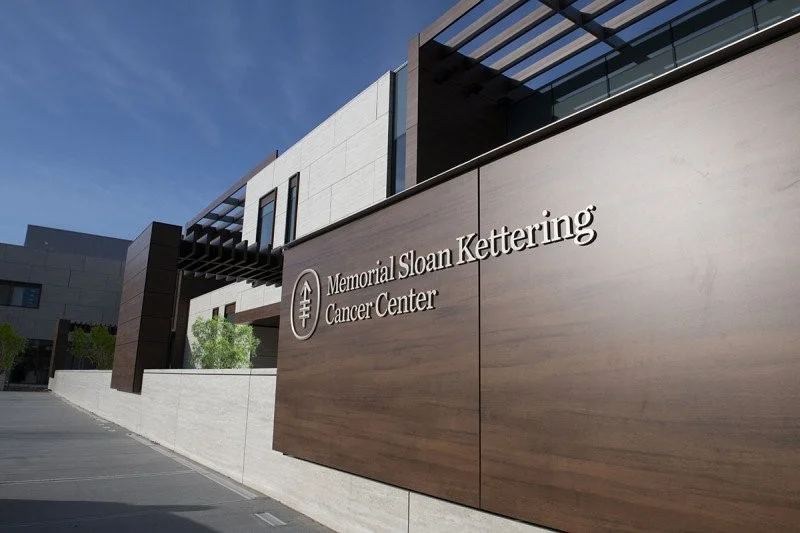
Douglas received treatment at New York’s Memorial Sloan Kettering Cancer Center, under the care of Drs. Jatin P. Shah, David Pfister, and Nancy Lee. He underwent an intensive seven-week regimen of radiation and chemotherapy, describing it as navigating “the seven circles of hell.” Despite the grueling schedule, he maintained work and normal routines, proving that rigorous treatment and determination can coexist.
HPV, Stress, and Awareness
Douglas has been candid about potential causes of his cancer, noting a link to the human papillomavirus (HPV). He sparked conversation when he mentioned the role of oral sex in HPV transmission, later clarifying that multiple factors, including smoking, alcohol, and stress, may have contributed.
Dr. Maura Gillison, a head and neck oncologist, emphasized that while HPV can cause oral cancers, the disease usually results from a combination of factors. This makes early detection and vaccination critical. Douglas has become a vocal advocate for HPV awareness and vaccination, encouraging parents to protect children as early as ages 9–12, with catch-up vaccines recommended through age 26.
Giving Back and Raising Awareness
Douglas has leveraged his experience to give back, fundraising for McGill University’s Head and Neck Cancer Fund in Montreal and supporting the Oral Cancer Foundation. “If my story helps even one person get an early diagnosis or consider vaccination, then it’s worth it,” he said.

Family, Love, and Resilience
Douglas credits his wife, Catherine Zeta-Jones, for unwavering support during his treatment. Zeta-Jones has openly shared the emotional toll, describing frustration over delayed diagnosis and the anxiety of caring for a loved one battling cancer. Despite challenges, their bond remained strong, emphasizing the importance of family support during serious illness.
The couple, married since 2000, raised two children while navigating these personal challenges, showing that resilience, love, and humor can coexist even in life-altering circumstances.

Michael Douglas’ journey is a testament to survival, medical innovation, and the power of advocacy. His story continues to inspire cancer patients, families, and medical communities alike.