Nail clippers are one of the most common personal care tools found in homes worldwide. Compact, affordable, and simple to operate, they are primarily used to trim fingernails and toenails.
Despite their everyday presence, few people pause to think about the design behind these small devices beyond their basic function.
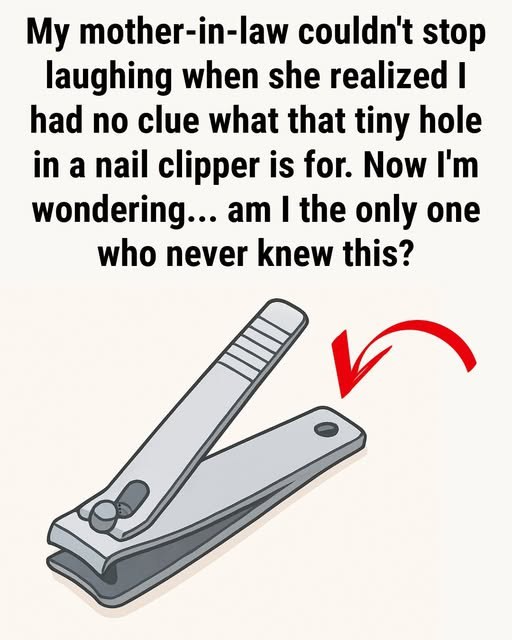
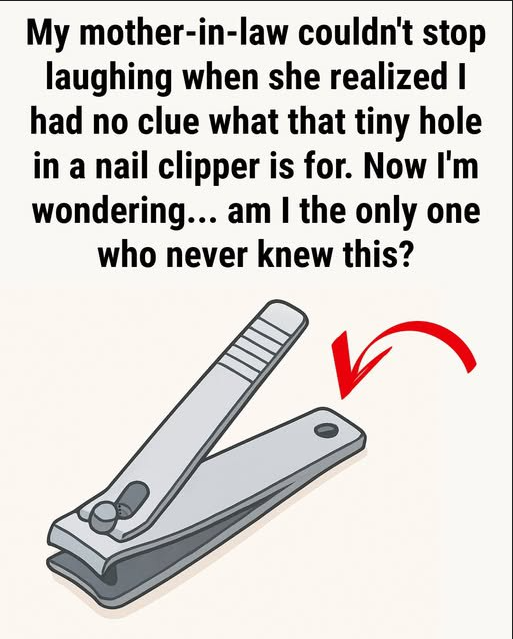
At first glance, a nail clipper appears straightforward: two metal blades connected by a lever and a hinge. Yet, a closer look reveals thoughtful engineering, especially in features that are easy to overlook—most notably, the small round hole often found at the end of the lever or body.
Though it might seem purely decorative, this tiny opening serves multiple practical purposes, some extending far beyond its original intent. Over time, both users and designers have discovered creative ways to turn this small hole into a multifunctional feature, highlighting how even simple objects can hide clever versatility.
A Brief History of Nail Clippers
Nail trimming dates back centuries, with ancient cultures using shells, knives, and chisels. The modern lever-type nail clipper, however, emerged in the late 19th and early 20th centuries, with patents in the United States appearing in the 1870s and 1880s.
The small round hole was not an accidental addition. Early designers realized it could improve balance, reduce metal use without weakening the clipper, and serve as an anchor point for attachments. Today, nearly all standard clippers include this hole, blending functionality and convenience in a subtle but effective way.
Keychain Compatibility
Perhaps the most common use of the round hole is for attaching the clipper to a keychain. By sliding a key ring through the opening, the clipper can travel alongside house keys, car keys, or wallet chains.
This is particularly handy for travelers, office workers, and outdoor enthusiasts who want to keep grooming tools accessible. A clipper attached to a keychain is less likely to get lost and ensures that it’s always ready when needed.
Bending Wire and DIY Uses
Beyond trimming nails, the small hole can serve practical household purposes, such as bending thin wire. By threading the wire through the opening, the clipper acts as a leverage point, allowing precise adjustments without straining fingers.
This technique is useful for crafts, electronics, or minor repairs. The clipper absorbs pressure safely, reducing the risk of cuts or blisters, and proves how everyday items can take on new functions in a pinch.
A Mini Screwdriver
Many nail clippers feature a small metal attachment near the hole—originally a nail file or cuticle cleaner. This piece can double as a flathead screwdriver for small tasks, such as tightening eyeglass screws or battery compartments.
While not a replacement for a full screwdriver, this emergency function is invaluable for travelers and minimalists. It makes minor adjustments convenient without carrying extra tools.
Opening Packages
In the age of online shopping, households often have to open boxes or parcels. The clipper’s sharp tip or nail file can cut tape precisely, reducing the need for scissors or box cutters. This method minimizes the risk of damaging contents or injuring oneself.
Cleaning and Hygiene
The round hole also allows for attachments like small brushes or picks, making it easier to clean both the tool and under nails. This helps maintain hygiene and prevents bacteria buildup. For individuals with reduced hand strength, the design also offers better leverage for safe trimming.
Why the Hole Matters
This tiny opening exemplifies thoughtful design:
- Structural efficiency: It reduces metal use without sacrificing strength.
- Multi-functional attachments: From keychains to cleaning tools, the hole enables versatility.
- Portability: It provides a convenient way to carry the clipper on the go.
Even the simplest personal care tools can hide clever engineering that improves both utility and user experience.
Creative and Unexpected Uses
Resourceful users have discovered additional ways to use the hole:
- Threading aid for sewing: Holds threads securely while stitching.
- Mini hook: Hang the clipper on bathroom racks or inside tool kits.
- Emergency keychain repair: Temporarily fix broken key rings.
- Outdoor utility: In camping or hiking scenarios, the clipper can assist with small cutting or adjustments.
These uses highlight the clipper as a multifunctional device, not just a grooming tool.
Safety Tips
While versatile, nail clippers are sharp and require care:
- Keep edges away from skin when using non-standard applications.
- Avoid bending wires or screws that exceed the clipper’s strength.
- Clean the tool thoroughly after alternative uses.
- Supervise children if they use the clipper beyond nail care.
With caution, the clipper becomes a safe and handy multi-tool.
The Bigger Picture
The small round hole reminds us that everyday items can be more than they seem. It unlocks portability, safety, and additional uses that most people overlook.
From grooming to minor repairs, from package opening to travel hacks, the humble nail clipper proves that even simple tools can be surprisingly versatile.
Next time you pick up a clipper, take a moment to notice the tiny hole—it may open doors to creative solutions you never imagined. Simple, small, and unassuming, it’s a perfect example of how thoughtful design enhances everyday life.