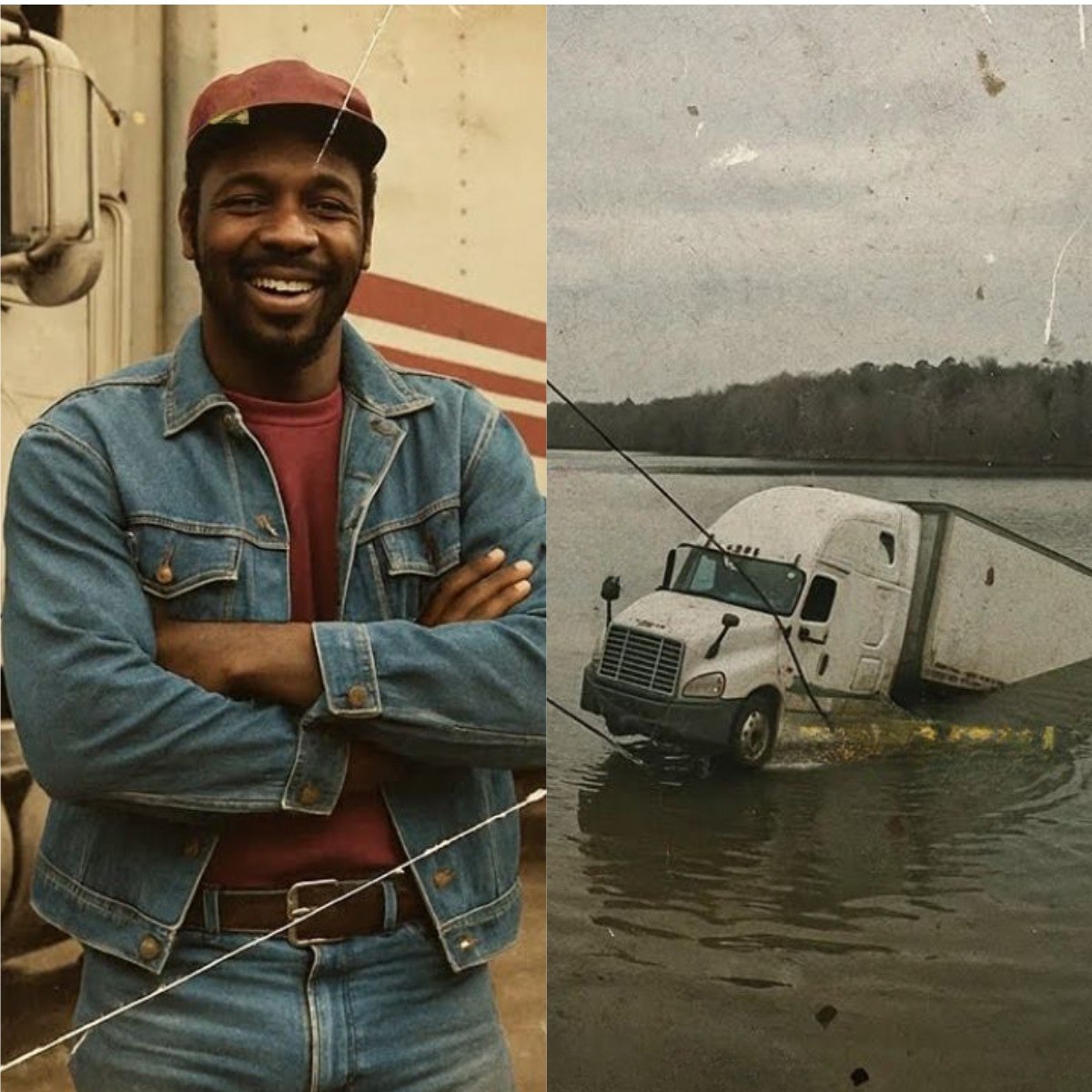
In the dead of night, long-haul trucks disappear into the darkness like ships swallowed by the sea. Headlights fade, taillights vanish, and the highway swallows them whole. Most make it to their destinations. Some don’t. And when a vehicle the size of a small house simply disappears, it leaves a question that never goes away: how does something that big just… vanish?
In the summer of 1987, Raymond Hoffman was a driver you could always count on. Middle-aged, steady, professional, the kind of man dispatchers trusted to never cut corners. He wasn’t reckless, flashy, or confrontational. He delivered on time, helped fellow drivers, and went home without incident. Respect followed him because he did the small things right—the acts that quietly save lives on the open road.
That week, Raymond was hauling a trailer of brand-new refrigerators from California to Nevada, crossing a stretch of scorching desert that seemed to melt the horizon. Nothing unusual, no storms, no ice, just a routine run and a deadline.
Tracking back then was primitive. Logs, sketchy GPS entries, and radio check-ins were all dispatch had. Raymond stopped at a gas station for coffee, polite and calm. He got back on the road—and vanished.
Hours later, radio contact dropped. Silence. Dispatch traced the last signal near a lonely bridge over a narrow river. The road was low-traffic—any accident should have been noticed. But there was nothing. No skid marks, no debris, no overturned trailer.
Theories flew fast: accident, theft, hijacking. But nothing fit. Raymond was reliable to the point of stubbornness; his family and colleagues confirmed he would never walk away. Months passed. The case went cold. His disappearance became a ghost story, a mystery filed under a forgotten number.
Continue reading on next page…