The garage was a sanctuary, not a scene of neglect. Hand-built wooden beds lined the walls, each perfectly sanded and draped with thick blankets. Ceramic bowls rested at each berth. Above them, names were painted neatly: Daisy, Ranger, Millie, Duke. Beneath each name were notes in my father’s steady handwriting: “Waited at shelter 417 days,” “Loves old jazz,” “Hand-fed Rosie tonight; she felt better.”
At the back, a massive board displayed hundreds of photos—senior dogs, three-legged mutts, terminal cases—each one chronicled with care.
“I wasn’t going to let them go without someone sitting with them at the end,” my father said quietly. “The house got too quiet after your mother left, Pete. These old souls just needed to know kindness still existed.”
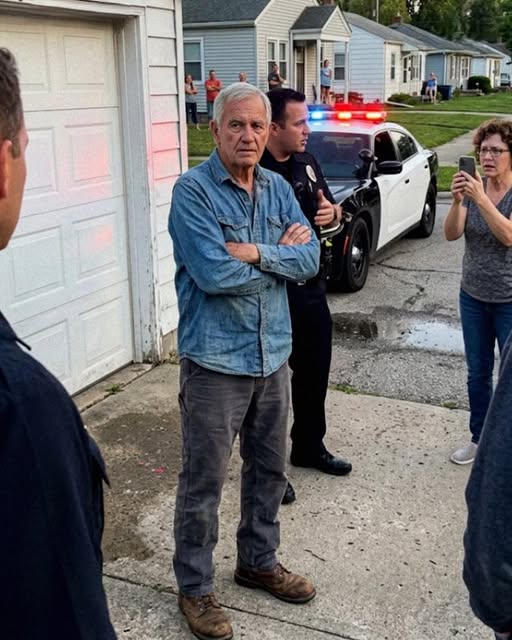
Even the officers were moved. The younger one’s eyes were glossy as he noticed a shelf of worn tennis balls and frayed ropes, each labeled with a name. Outside, the neighborhood crowd had gone silent, their smartphones lowered in shame.
The most poignant detail was in the back corner: an empty berth, blanket folded with the precision of ritual, topped with a small lamp and a framed photo of my mother. For nearly three decades, my father had honored her spirit through nightly care for these animals.
“Why didn’t you tell me, Dad?” I whispered, scanning decades of notebooks filled with observations and midnight vigils.
“You never asked, son,” he said simply.
The police left with commendations, not citations. The neighbors drifted away, humbled and quiet. And I stayed. I picked up a drill and lumber, finally stepping into the work my father had quietly inspired for years.
Twenty-six years of compassion had been hiding behind that garage door. Not a secret. A legacy.
Sometimes the quietest acts leave the loudest impact. Share this story if it moved you and honor the unseen kindness in your own life.