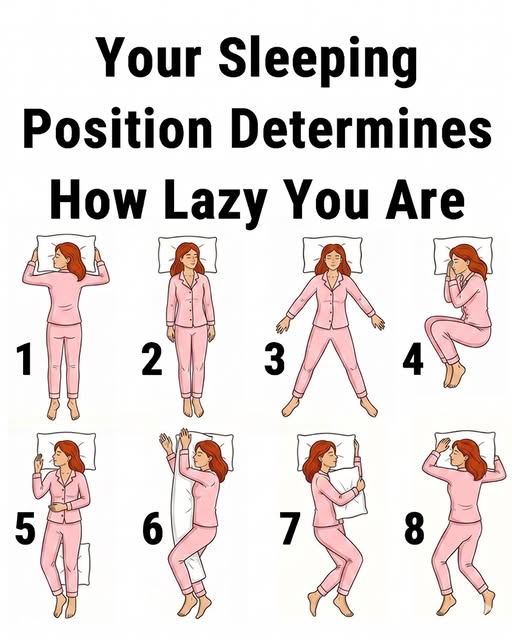
Side sleeping is one of the most common positions worldwide and is often divided into two informal personality interpretations.
A relaxed side sleeper is usually associated with balance—someone who knows when to rest and when to take action.
The fetal position, where the body curls inward, is often linked in lifestyle interpretations to emotional depth, sensitivity, and a strong desire for comfort and security. These individuals are often described as empathetic and deeply connected to their personal relationships.
Starfish and Pillow Hugging: Comfort-Seeking Personalities
Some sleep styles are more expressive and playful in interpretation.
Starfish sleepers, who spread out across the bed, are often described as relaxed, carefree, and comfortable taking up space both physically and socially. They are seen as individuals who value freedom and ease.
Pillow huggers are often associated with warmth and emotional comfort. This position is commonly linked to affectionate, loyal, and nurturing personality traits, reflecting a strong need for emotional reassurance.
The Restless or Moving Sleeper
People who frequently change positions throughout the night are often described as adaptable and flexible in personality-based interpretations.
They are seen as individuals who adjust easily to new environments, challenges, and routines. Their movement during sleep is often compared to their ability to navigate change in everyday life.
A Fun Way to Reflect, Not Define
While sleep position analysis is entertaining and widely shared online, it’s important to remember that it is not scientifically proven and should not be used to define personality, intelligence, or emotional health.
Instead, it offers a fun way to reflect on habits, spark curiosity, and start conversations about sleep quality and comfort.
The Real Key to Better Rest
Regardless of how you sleep, the most important factor is healthy sleep hygiene. Consistent sleep schedules, a calm environment, reduced screen time before bed, and stress management all play a far greater role in overall well-being than sleep position alone.
Final Thought
Your sleep position might say something fun about your comfort style, but your daily habits and self-care routines shape your real energy, focus, and health.
If this made you curious, share it with a friend and compare your sleep styles—you might be surprised by how differently you both rest at night.