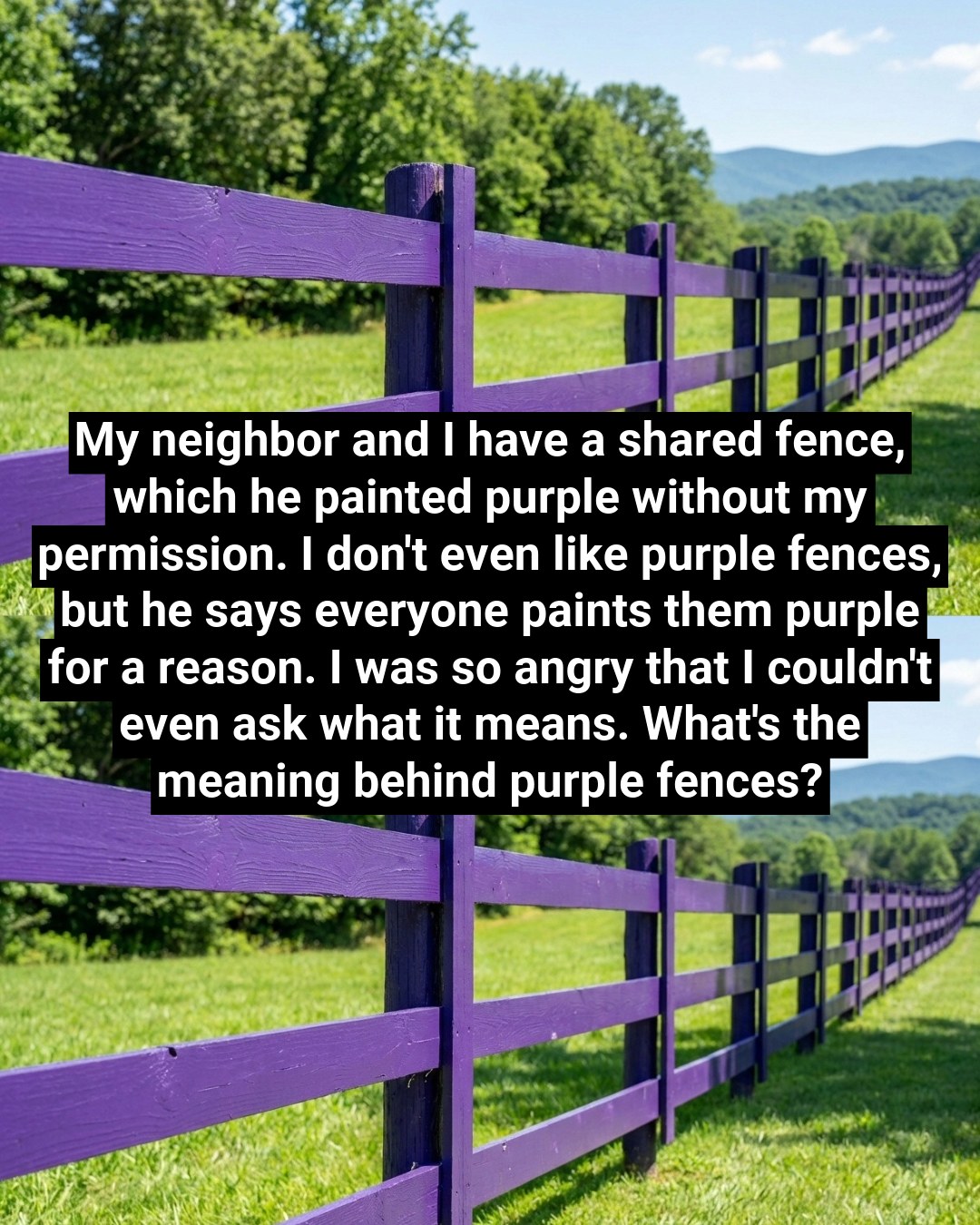
A Simple Mark With a Clear Message
In a growing number of U.S. states, landowners are allowed to use purple paint as an official “No Trespassing” notice instead of traditional signs. This system exists because signs can be damaged, removed, or fade over time, while paint is far more durable and visible in all weather conditions.
Typically, these markings follow specific guidelines:
- Vertical purple stripes painted on trees, posts, or fences
- Placed at regular intervals along property boundaries
- Positioned at a height that makes them easy to see while walking
When used correctly, the paint carries the same legal weight as a posted warning sign.
Why Purple Was Chosen
The color purple is not common in natural environments, which makes it stand out clearly against trees, grass, and soil. It is also easier to notice in low light conditions, such as early morning or dusk—times when many people are outdoors.
The goal is simple: create a clear, lasting warning that does not depend on paper signs or metal plates.
What It Means for Visitors
For hikers, hunters, and anyone exploring rural areas, purple markings are a clear signal that you are entering private property. In states where these laws apply, crossing into such areas without permission can be considered trespassing.
Consequences vary depending on local laws, but they can include:
- Fines
- Trespassing citations
- In more serious cases, legal charges
The key point is that the marking is not decorative—it is an official boundary.
Why These Laws Exist
As outdoor recreation becomes more popular and rural land use changes, property owners have looked for more reliable ways to protect their land. The purple paint system offers a low-cost, low-maintenance alternative that reduces confusion and helps prevent accidental trespassing.
It also helps reduce conflicts by making property boundaries easier to identify in natural settings where fences or signage may not always be practical.
A Growing Awareness Issue
One challenge is that not everyone is familiar with these markings, especially when traveling between states. Because the rules can vary slightly by region, it is important for outdoor enthusiasts to learn local regulations before entering unfamiliar land.
Ignoring these markers—whether intentionally or not—can lead to misunderstandings with landowners and legal authorities.
Final Thought
A purple mark on a tree or fence might seem minor, but it can represent a legally protected boundary. For landowners, it is a way to safeguard their privacy and property. For visitors, it is a reminder that even in wide open landscapes, not every path is free to follow.
Understanding what these markings mean helps ensure safer outdoor experiences and respectful use of shared natural spaces.