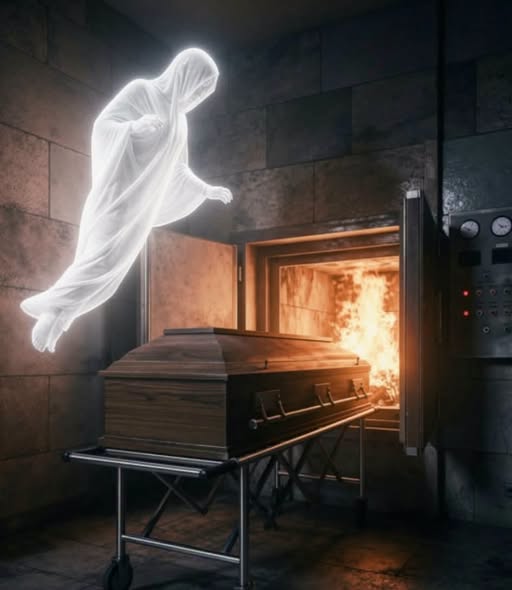
Burial as a Traditional Practice in Many Faith Communities
In many religious traditions, burial has historically been the most common way of honoring the dead.
Within Christianity, for example, biblical accounts often describe burial as the customary practice among important figures. Stories involving Abraham, Jacob, Moses, and the burial of Jesus are frequently referenced when discussing the historical importance of burial.
For many believers, burial represents respect, remembrance, and the connection between human life, creation, and spiritual beliefs.
How Religious Texts Discuss Cremation
References to cremation or the burning of bodies vary depending on the religious tradition and interpretation of sacred texts.
Some believers point out that certain historical references to burning bodies are associated with unusual circumstances, including conflict, punishment, or crisis situations rather than ordinary funeral customs.
Because interpretations differ, religious communities do not always reach the same conclusions about whether cremation is acceptable.
Beliefs About the Human Body and Death
Many faith traditions teach that the human body deserves dignity and respect both during life and after death.
For some believers, burial reflects this belief by symbolizing care for the body and allowing the natural process of returning to the earth.
Others believe that the method of handling remains is less important than the respect, love, and intention shown toward the person who has died.
Does Cremation Affect Beliefs About Resurrection?
One common question among some Christians is whether cremation affects the possibility of resurrection.
Many religious scholars explain that beliefs about resurrection are based on divine power rather than the physical condition of remains. They often point out that throughout history, many people have died in circumstances where their bodies were lost or damaged.
From this perspective, the condition of physical remains does not limit spiritual beliefs about life after death.
Why Some People Choose Burial
People who prefer burial often do so because of religious, cultural, or personal reasons.
Common reasons include:
- Following family or community traditions
- Maintaining a connection with historical practices
- Creating a place for remembrance and reflection
- Expressing beliefs about respect for the body
For many families, burial provides a meaningful way to honor a loved one.
Why Some People Choose Cremation
Cremation has become more common in many parts of the world for various reasons.
Some people choose cremation because of:
- Practical considerations
- Financial factors
- Environmental concerns
- Personal or family preferences
In many communities, religious leaders recognize that families may face different circumstances when making funeral decisions.
The Importance of Personal Intention
Many faith traditions place importance on the reasons behind a decision.
A choice made with love, respect, and consideration for the wishes of the deceased is often viewed differently from a choice made without care or concern.
For many religious communities, qualities such as compassion, sincerity, and dignity remain central when discussing funeral practices.
Different Faith Communities Have Different Views
There is no single worldwide religious position on cremation.
Some traditions strongly prefer burial, while others allow or accept cremation under certain circumstances. Individual believers may also interpret teachings differently based on culture, denomination, and personal understanding.
For this reason, many people seek guidance from their own religious leaders when making funeral decisions.
What Matters Beyond Funeral Practices
Many spiritual teachings emphasize that a person’s life, character, and relationships are more important than the specific method chosen after death.
Values such as kindness, compassion, faith, and the way someone treated others are often considered central parts of spiritual reflection.
Final Thoughts
The discussion surrounding cremation and burial involves deeply personal questions about faith, tradition, family, and meaning.
While burial remains an important practice in many religious communities, views on cremation continue to vary. For many people, the most important consideration is choosing a practice that reflects respect, dignity, and the beliefs of the individual and their loved ones.
Ultimately, conversations about death often return to the same themes shared across many traditions: remembrance, compassion, and honoring a life that was lived.