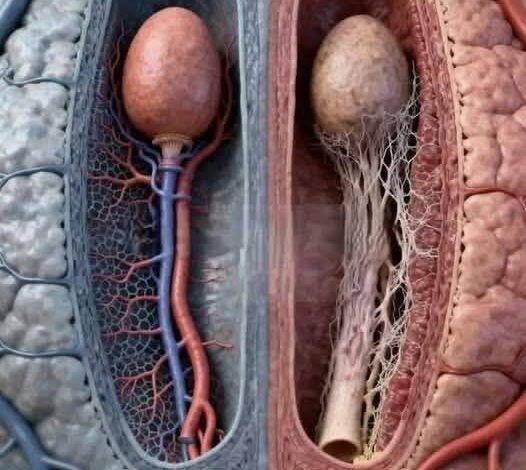
The Important Role of the Kidneys
The kidneys filter waste products and excess fluid from the blood, helping the body maintain a healthy internal balance. They also contribute to regulating blood pressure, supporting mineral balance, and producing hormones involved in red blood cell production and bone health.
These processes occur continuously, making the kidneys an essential part of everyday health.
Everyday Habits Can Make a Difference
Many factors influence kidney health, including nutrition, hydration, physical activity, and management of chronic conditions.
Health professionals often encourage habits such as:
- Eating a balanced diet rich in fruits, vegetables, whole grains, and lean proteins
- Limiting excessive sodium, added sugars, and highly processed foods
- Staying physically active on a regular basis
- Drinking enough fluids based on individual needs and medical advice
- Avoiding tobacco use and moderating alcohol consumption
These practices support overall health and may also benefit kidney function.
The Value of Routine Checkups
Kidney conditions can sometimes develop without noticeable symptoms in their early stages. For that reason, regular medical checkups and recommended laboratory testing can be valuable, particularly for people with risk factors such as high blood pressure, diabetes, or a family history of kidney disease.
Early detection often allows healthcare providers to recommend appropriate lifestyle changes or treatment when needed.
Being Mindful With Medications
Some prescription and over-the-counter medications should be used responsibly and according to healthcare guidance. Taking medications exactly as directed and discussing long-term use with a healthcare professional can help support safe treatment decisions.
If you have existing kidney disease or other medical conditions, it’s important to consult your doctor before starting new medications or supplements.
Hydration and Healthy Living
Adequate hydration supports many normal bodily functions, although fluid needs vary from person to person depending on age, activity level, climate, and health status. Drinking water throughout the day and maintaining a balanced lifestyle can contribute to overall wellness.
Regular exercise, quality sleep, and stress management also play important roles in maintaining good health.
A Practical Approach to Prevention
Protecting kidney health does not usually require dramatic changes. Instead, small, consistent habits practiced over time can make a meaningful difference. Eating nutritious foods, staying active, attending routine medical appointments, and following professional healthcare advice all contribute to long-term well-being.
The Bottom Line
Your kidneys perform vital work every day, often without drawing attention to themselves. By making informed lifestyle choices and staying engaged with preventive healthcare, you can support not only kidney function but your overall health for years to come.
If you have concerns about kidney health or risk factors such as diabetes or high blood pressure, consider speaking with a qualified healthcare professional for personalized guidance and appropriate screening.