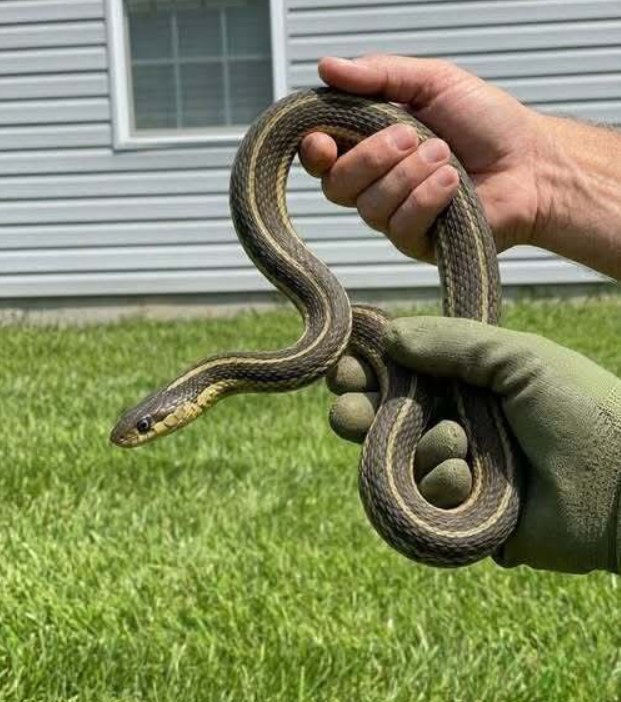
One of the biggest reasons is food. If your basement, garage, attic, or storage room has mice, rats, insects, or crickets, it may attract snakes without you realizing it. To a snake, those small pests are a meal. That means the real problem may not be the snake itself, but the hidden food source that brought it there in the first place.
Another common reason is weather. During heavy rain, snakes may be pushed out of their usual hiding places and search for dry ground. During extreme heat, they may look for cooler spaces. When temperatures drop, they may search for warmth. Basements, crawlspaces, garages, and laundry rooms can offer exactly the kind of quiet and stable environment they need.
This does not mean they want to live with you permanently. Most snakes that enter a home are simply trying to survive.
Still, that does not mean you should ignore the situation. Even though many snakes are harmless and can actually help control pests, it is not always easy for the average person to identify which species is safe and which one may be dangerous. When fear and adrenaline take over, mistakes can happen quickly.
That is why the safest rule is simple: do not touch it.
Do not try to catch the snake, hit it, or block its path. A snake is most likely to strike when it feels trapped or threatened. Instead, keep a safe distance, move children and pets to another room, and try to keep an eye on where it goes from a safe location.
If possible, close doors around the area to limit where the snake can move, but do not put yourself too close to it. Then contact local animal control or a trained wildlife removal expert. Professionals have the right tools and experience to remove the snake safely without putting anyone at risk.
The next step is prevention.
If a snake found its way inside, there may be an opening somewhere around your home. Check for gaps under doors, cracks near the foundation, holes around pipes, loose vents, damaged window frames, or spaces near utility lines. Snakes can squeeze through surprisingly small openings, so even tiny gaps should be sealed.
The outside of your home matters too. Tall grass, piles of wood, thick bushes, and clutter near the foundation can create perfect hiding spots for snakes and the pests they hunt. Keeping your yard clean, trimmed, and organized can reduce the chances of snakes coming close to your house.
Food sources should also be controlled. Store pet food indoors, keep trash sealed, clean up birdseed, and take steps to prevent mice and insects from entering your home. If you remove the pests, you also remove one of the main reasons snakes may show up.
A clean, sealed, and well-maintained home is much less attractive to unwanted wildlife.
In the end, seeing a snake inside your house is frightening, but it is also manageable. The key is to stay calm, keep your distance, call a professional when needed, and fix the conditions that allowed it to enter.
Snakes are not entering homes because they want to scare people. They are usually following basic survival instincts: food, shelter, warmth, and safety. Once you understand that, the situation becomes less mysterious and much easier to handle.
So if you ever find a snake indoors, remember this: do not panic, do not approach it, and do not try to be a hero. Stay safe, protect your family and pets, and let trained experts handle the removal.
Have you ever found an unexpected animal inside your home? Share your experience in the comments and let others know how you handled it.