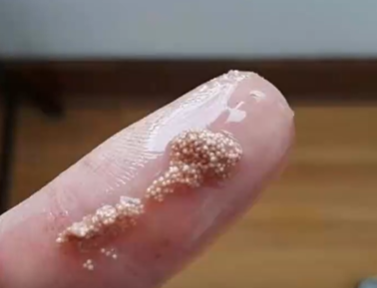
At first glance, the texture looked strange: small white lumps that were slightly translucent and jelly-like. It definitely wasn’t what I expected to see while cooking breakfast.
What Are Those White Specks?
After looking into it further, I discovered the answer was much less alarming than I imagined.
According to food experts, these white specks are usually harmless calcium or protein deposits that naturally form during the egg’s development process. In many cases, they can appear when hens consume calcium-rich feed or experience mild environmental stress.
In other words, the egg is typically still safe to eat if:
- The shell is intact
- The egg smells normal
- It has been stored properly
- There are no signs of spoilage or discoloration
Why It Happens
Eggs are natural products, so slight variations in texture, color, or appearance can happen from time to time. Just like fruits and vegetables can look slightly different, eggs may occasionally contain harmless irregularities.
Some common causes include:
- Natural calcium buildup
- Protein clumping during formation
- Changes in the hen’s diet
- Minor stress factors affecting egg production
These changes may look unusual, but they are generally considered normal.
When You Should Be Concerned
While white specks are usually harmless, there are situations where eggs should be discarded immediately. Avoid using eggs if you notice:
- A strong sulfur or rotten odor
- Pink, green, or black discoloration
- Cracked shells leaking liquid
- Unusual mold or spoilage signs
When in doubt, it’s always safest to replace the egg.
A Reminder About Food Myths Online
It’s easy to panic when food looks different than expected, especially after seeing dramatic posts online. But many viral “food warnings” turn out to have simple explanations rooted in normal food science.
In this case, those strange white specks were not parasites, contamination, or anything dangerous — just a natural variation that can occasionally happen in eggs.
Sometimes the most surprising kitchen discoveries have perfectly harmless explanations.