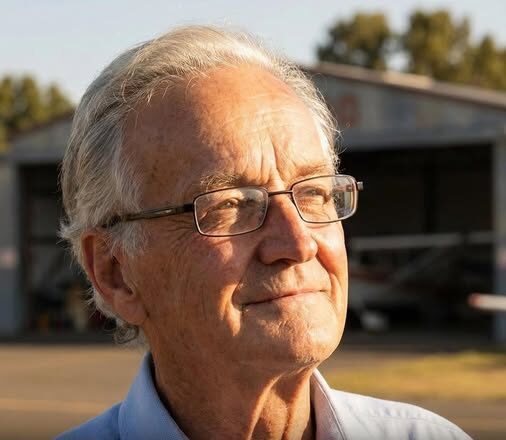
His research helped bring attention to this often-overlooked aspect of conservation.
Documenting Change and Sharing the Evidence
As elephant populations faced growing pressure from human activity, he focused on documenting what was happening with clarity and accuracy. Each observation added to a growing body of evidence that helped people better understand the situation on the ground.
By carefully recording changes over time, he helped raise awareness and encouraged more thoughtful conversations about conservation priorities. His work became a reference point for discussions about wildlife protection and environmental responsibility.
Shifting Public Awareness
The information gathered through years of research contributed to changing public attitudes about how certain materials linked to elephants were viewed. Practices that once seemed normal began to be reconsidered as awareness grew about their impact on wildlife.
This shift reflected a broader understanding that everyday choices can influence the future of animal populations and natural ecosystems. His contributions helped connect those dots for many people.
Working Alongside Local Communities
One of the most important aspects of his work involved building relationships with local communities. He understood that people living near wildlife often face real challenges, from crop damage to safety concerns.
Rather than ignoring these realities, he spent time listening and learning. By working directly with farmers and residents, he helped explore ways to reduce conflict while still protecting wildlife.
This approach helped create trust and opened the door for practical solutions.
Encouraging Real Solutions for Coexistence
Through collaboration and shared problem-solving, efforts were made to develop systems that allowed elephants to move safely across landscapes while minimizing disruption to nearby communities.
These initiatives were not always simple, but they demonstrated something powerful: when people work together, progress becomes possible.
His work showed that conservation succeeds best when it respects both nature and the people who live closest to it.
A Lifetime of Commitment
His impact was not built in a single moment but through years of consistent dedication. He continued learning, adapting, and supporting conservation initiatives as challenges evolved.
This long-term commitment helped create lasting progress that extended beyond individual projects or organizations.
Today, many of the ideas and methods he helped develop remain important tools for ongoing conservation efforts.
The Future of the Work He Started
With his passing, the responsibility of continuing this mission now belongs to a wider community of researchers, conservationists, and local leaders. While no one can fully replace his experience and perspective, the foundation he built continues to guide those working to protect wildlife.
His legacy reminds us that conservation is a shared effort—one that depends on cooperation, awareness, and long-term dedication.
A Legacy That Still Inspires
His influence can be seen not only in research and records but also in the conversations he helped inspire. By bringing together science, community voices, and environmental awareness, he helped shape a more balanced approach to conservation.
His story shows that meaningful change often begins with patience, respect, and a willingness to listen.
And while his journey has come to an end, the impact of his work continues to move forward.
Looking Ahead
Protecting wildlife and supporting coexistence will remain an ongoing challenge, but it is one that many are now better prepared to face thanks to the path he helped create.
His life stands as a reminder that dedication, curiosity, and collaboration can make a real difference in the world.
And in the landscapes where elephants still roam, the influence of his work will continue to be felt for years to come.
💬 Do you think conservation efforts should focus more on working with local communities? Share your thoughts and join the discussion below.