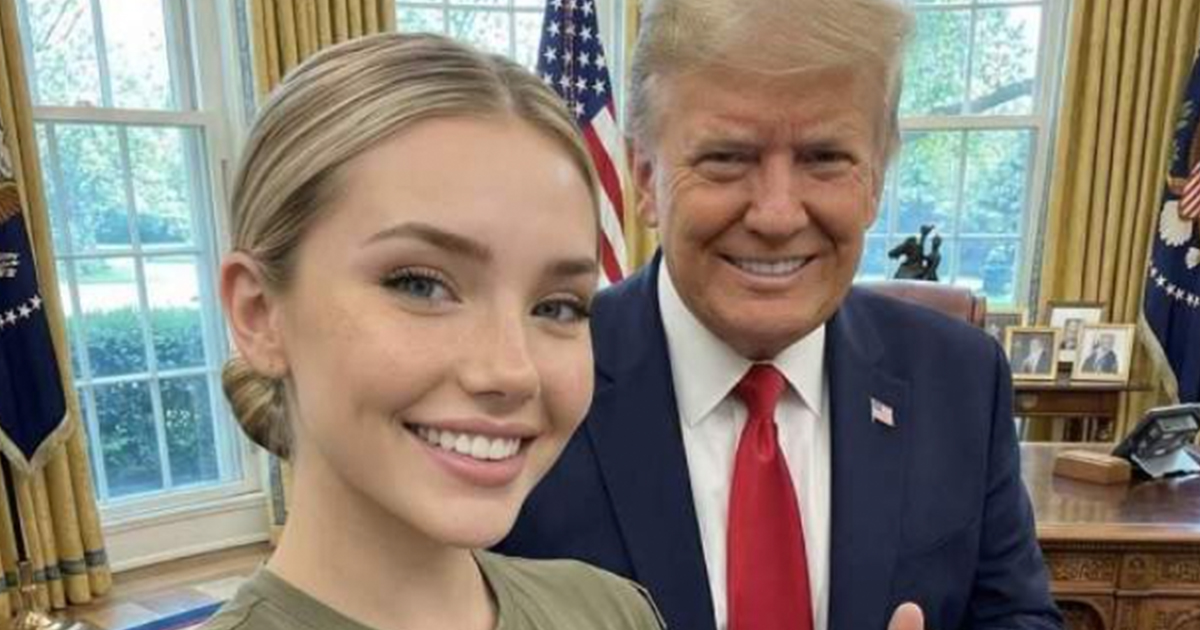
To many viewers, the account appeared to represent a compelling personal story tied to service and dedication.
A Carefully Presented Online Identity
The individual, identified online as “Jessica Foster,” was portrayed as an active-duty service member. Posts often featured her in military-style clothing, near aircraft, or in environments that appeared to resemble operational settings.
The content was consistent and visually polished, creating a strong narrative that resonated with audiences. Followers frequently expressed admiration, assuming the account reflected a real person and authentic experiences.
Growing Questions From Observers
As the account gained popularity, some users began to notice inconsistencies. Observers pointed out details such as unusual uniform elements and visual irregularities in certain images.
Others highlighted lighting and background features that did not fully align with real-world conditions. These observations led to increased scrutiny and discussion among viewers.
Difficulty Verifying the Identity
Attempts to confirm the identity behind the account raised additional questions. No verifiable public records or official sources could confirm the existence of the individual as portrayed.
This lack of confirmation prompted further analysis and increased skepticism among those following the account.
Analysis Suggests AI-Generated Content
Digital media experts who reviewed the images identified characteristics commonly associated with AI-generated visuals. Subtle distortions and repeated patterns indicated the images were likely created using advanced artificial intelligence tools.
It was later determined that the person depicted in the account did not correspond to a real individual. Instead, the profile appeared to be a digitally created persona designed to look realistic.
Why Digital Personas Gain Popularity
Accounts built around fictional or digitally generated characters are becoming more common. By combining engaging visuals with relatable themes, such profiles can quickly attract large audiences.
Content that appears authentic—especially when tied to widely recognized ideas like service or personal achievement—often performs well on social media. This can lead to rapid growth before questions about authenticity arise.
The Broader Impact of AI-Generated Content
Advancements in artificial intelligence have made it easier to create highly realistic images and personas. While these tools can be used creatively, they also present challenges when used to build misleading or unclear online identities.
For everyday users, distinguishing between real and generated content is becoming increasingly difficult, especially when visuals are highly convincing.
What This Means for Social Media Users
This situation highlights the importance of approaching online content with a critical mindset. Not all accounts represent real individuals, even when they appear highly detailed and believable.
Users can benefit from:
- Looking for verified sources when possible
- Paying attention to inconsistencies in visuals or claims
- Being cautious about engaging with accounts that cannot be independently confirmed
A Changing Digital Landscape
As technology continues to evolve, the line between real and digitally created content is becoming less clear. This shift is reshaping how people interact with information and form impressions online.
The case of the viral account serves as a reminder that while social media can be a place for creativity and connection, it also requires awareness and thoughtful engagement.
Conclusion
The viral photo and the account behind it illustrate how quickly content can spread—and how easily perception can be influenced in the digital age.
More importantly, it highlights a growing reality: as technology advances, understanding and evaluating online content becomes an essential skill for navigating today’s connected world.