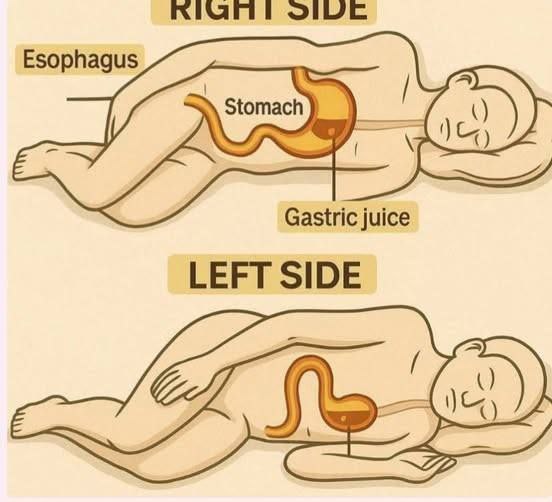
Digestion doesn’t stop with the stomach. Waste moves from the small intestine to the large intestine at the ileocecal valve on the lower right, then travels up the ascending colon, across the transverse colon, and down the descending colon on the left. Sleeping on your left allows gravity to assist this movement, promoting regular bowel function, reducing constipation, and minimizing bloating. For anyone who wakes feeling sluggish or uncomfortable, this alone can transform mornings.
For pregnant women, left-side sleep is often medically recommended, particularly in the third trimester. The growing uterus can compress the inferior vena cava, a major vein carrying blood back to the heart. Lying on the left side alleviates this pressure, improving blood circulation to both mother and baby, reducing swelling in the legs, and maintaining optimal oxygen and nutrient flow to the fetus.
Transitioning to left-side sleep may take effort. Most adults develop “muscle memory” for their preferred positions, whether right-sided or stomach sleepers. Using a body pillow or placing a firm pillow behind your back can prevent rolling during the night. Over time, your nervous system adapts, making left-side sleep more natural and comfortable.
This approach is part of a broader concept of “passive wellness”—the idea that health isn’t only about active choices like workouts, diets, or supplements. Health is also shaped in the thousands of hours we spend asleep. The position you maintain during these hours silently supports or hinders circulation, digestion, detoxification, and overall organ efficiency. If you spend one-third of your life asleep, why not optimize it?
Left-side sleeping also benefits the heart. Gravity helps blood flow smoothly from the heart to the body and back, reducing strain and potentially lowering cardiovascular risk over time. Combined with improved lymph drainage and digestive efficiency, this simple adjustment works as a full-body reset night after night.
Even for those who are skeptical, the results are tangible. People report waking with more energy, reduced bloating, fewer digestive issues, and less nighttime discomfort. Over months, left-side sleep can become a cornerstone habit that supports long-term health in ways many active interventions cannot replicate.
The wisdom is simple: align your body with your natural anatomy, and let gravity do the work. Support your lymphatic system, ease pressure on your liver, optimize digestion, and promote a heart-friendly circulation—all without lifting a finger while you sleep.
Start tonight. Turn to your left, let your body do the work, and wake up refreshed, balanced, and ready to conquer the day. Share this tip with friends and family—because everyone deserves smarter, healthier sleep!