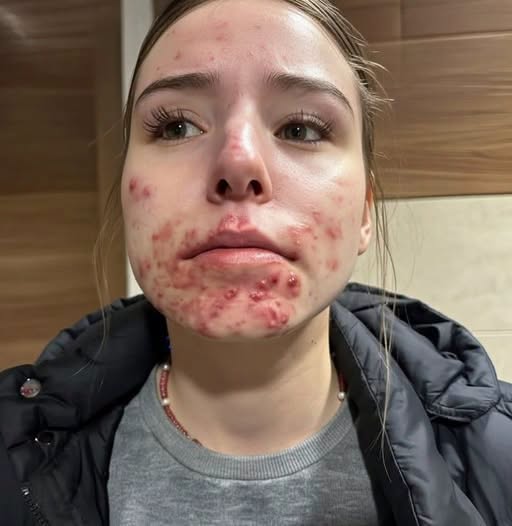
Hormonal Changes
Hormonal fluctuations are among the most common reasons adults experience acne, particularly around the chin and jawline.
For women, changes related to the menstrual cycle, pregnancy, menopause, perimenopause, or certain medications may influence oil production. Conditions such as polycystic ovary syndrome (PCOS) can also contribute to persistent acne in some individuals.
Hormonal changes can also affect men, although these shifts often occur more gradually.
Stress and Skin Health
Stress may play a role in acne for some people.
During periods of stress, the body releases hormones that can increase oil production, which may contribute to clogged pores and breakouts in individuals who are already prone to acne.
Managing stress through regular exercise, adequate sleep, relaxation techniques, or spending time outdoors may support overall well-being.
Diet and Lifestyle
Research suggests that certain dietary patterns may influence acne in some individuals.
Highly processed foods, sugary beverages, and foods with a high glycemic index may contribute to breakouts for some people, although responses vary from person to person.
A balanced diet rich in fruits, vegetables, whole grains, lean proteins, and healthy fats supports overall health and may also benefit the skin.
Choosing the Right Skincare Routine
A gentle, consistent skincare routine is often more effective than using multiple harsh products.
Dermatologists commonly recommend:
- Washing your face with a mild cleanser twice daily.
- Using non-comedogenic moisturizers and sunscreen.
- Avoiding excessive scrubbing, which can irritate the skin.
- Introducing acne treatments gradually, following product directions or professional advice.
Consistency is often more important than using many products at once.
Everyday Habits
Small daily habits may also affect your skin.
Regularly cleaning items that come into contact with your face—such as phone screens, makeup brushes, pillowcases, and reusable face coverings—may help reduce the buildup of oil, dirt, and bacteria.
Avoiding frequent face-touching can also help minimize irritation.
When to See a Dermatologist
If acne is painful, widespread, leaves scars, or does not improve with over-the-counter products, consider scheduling an appointment with a dermatologist.
A healthcare professional can determine whether an underlying medical condition or hormonal imbalance may be contributing and recommend treatments tailored to your individual needs.
Final Thoughts
Adult acne is common and can result from a combination of hormones, genetics, skincare habits, stress, and lifestyle factors.
With a consistent routine, healthy habits, and professional guidance when needed, many people are able to manage breakouts effectively and improve their skin over time.
If you have concerns about persistent acne, consult a qualified healthcare professional for personalized medical advice.