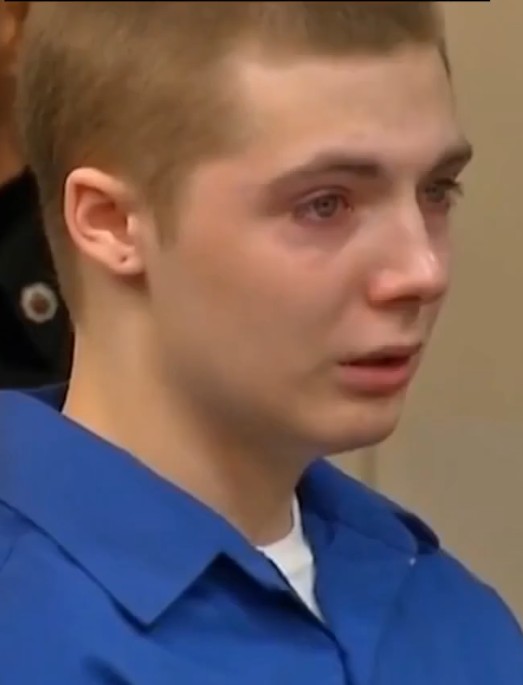
For many people, the sentence seemed almost impossible to comprehend. After all, no human being can physically serve that amount of time.
Legal experts explain that extremely long prison terms often happen when multiple charges are stacked consecutively rather than served simultaneously. Each conviction carries its own punishment, and together they can add up to sentences far beyond a normal lifespan.
In practical terms, the sentence often means life in prison without the possibility of release. But symbolically, it reflects the severity with which the justice system viewed the case.
Public Reaction Quickly Became Divided
As details spread online, social media exploded with debate.
Some people argued the punishment was justified, emphasizing accountability and the lasting consequences of harmful actions. Others focused on the teenager’s age, questioning whether someone so young should face a sentence that removes nearly any possibility of rehabilitation.
The case reopened a broader conversation that continues worldwide:
- Should minors be treated differently in serious criminal cases?
- Can rehabilitation outweigh punishment?
- At what point does accountability become permanent?
- How should society balance justice with the possibility of change?
There were no simple answers — only strong opinions from every direction.
The Emotional Moment Many Can’t Forget
One detail from the courtroom resonated deeply with people following the case.
As the teenager was escorted away, he reportedly turned briefly toward his mother.
No dramatic statement was made. No final speech interrupted the silence.
Just a glance.
For many observers, that quiet moment captured the emotional reality behind the legal headlines. Beyond statistics, sentencing, and online arguments were real families facing irreversible consequences.
Cases like this don’t end when the courtroom empties. The emotional impact often continues for years — affecting parents, siblings, loved ones, and entire communities.
Why Stories Like This Leave Such a Strong Impact
Part of what makes this story so powerful is how quickly life changed.
Most people understand the feeling of making decisions without fully considering long-term consequences. In everyday life, those moments are usually small and manageable. But in rare situations, one decision can permanently alter everything.
That reality is what continues to draw attention to this case.
It serves as a reminder that actions can carry consequences far beyond what anyone expects in the moment.
The Bigger Conversation About Youth and Justice
Experts have long discussed how adolescent brains continue developing into early adulthood, especially in areas connected to impulse control, emotional regulation, and decision-making.
Because of this, many legal scholars and psychologists continue debating how justice systems should handle serious crimes involving minors.
Some believe rehabilitation should remain possible for young offenders. Others argue that severe actions require severe consequences regardless of age.
This case sits directly at the center of that difficult conversation.
Final Thoughts
The story behind the 452-year prison sentence is about far more than a number.
It’s about choices, consequences, justice, and the uncomfortable reality that a single moment can permanently reshape multiple lives.
For many people, the case leaves behind one haunting realization:
Sometimes it only takes seconds to make a decision — but the consequences can last forever.
What are your thoughts on cases involving extremely long sentences for young offenders? Share your perspective in the comments and join the discussion.