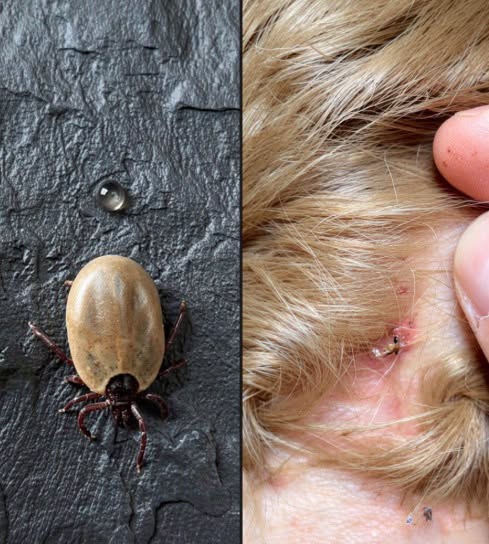
Why Tick Bites Deserve Attention
Ticks attach themselves to the skin and feed for a period of time. Because their bites are often painless, people may not notice them immediately.
Some ticks can carry diseases such as Lyme disease and other tick-borne infections. The risk depends on several factors, including the type of tick, location, and how long the tick remains attached.
A tick bite does not automatically mean someone will become sick, but monitoring for changes afterward is an important precaution.
Signs to Watch for After a Tick Bite
After removing a tick, it is helpful to observe the bite area and pay attention to how the person feels in the following days or weeks.
Possible signs that may require medical advice include:
- A rash that grows or changes around the bite area
- Fever or chills
- Unusual tiredness
- Swollen lymph nodes
- Headaches
- Muscle or joint discomfort
- Feeling generally unwell after spending time in a tick-prone area
Not every tick-related illness causes the same symptoms, and some people may experience different reactions. If you have concerns after a tick bite, contacting a healthcare professional can help determine the appropriate next steps.
How to Remove a Tick Safely
If you find an attached tick, careful removal is important.
Health experts generally recommend:
- Use clean, fine-tipped tweezers
- Grip the tick close to the skin surface
- Pull upward steadily without twisting
- Clean the bite area and your hands afterward
Avoid using methods such as applying heat, chemicals, or household substances. These approaches are not recommended and may make removal more difficult.
Some people choose to keep the tick in a sealed container or bag with the date noted. In certain situations, this information may help healthcare professionals identify the tick type if symptoms appear later.
When to Contact a Healthcare Professional
Consider seeking medical advice if:
- The tick was attached for a long time
- The bite occurred in an area where tick-borne illnesses are common
- Symptoms appear after the bite
- The person bitten is very young, elderly, or has health conditions that affect immunity
A healthcare professional can evaluate the situation and decide whether any testing or treatment is appropriate.
Preventing Tick Bites
The best way to reduce tick-related concerns is prevention. Simple habits can make outdoor activities safer.
Helpful steps include:
Check for Ticks After Outdoor Activities
After spending time outside, check areas where ticks commonly hide, including:
- Hair and scalp
- Behind the ears
- Neck area
- Underarms
- Waistline
- Legs and behind the knees
Parents should also check children carefully, especially after playing in grassy or wooded areas.
Wear Protective Clothing
Long sleeves, long pants, and closed shoes can reduce exposed skin when walking through areas where ticks may be present.
Keep Outdoor Areas Maintained
Keeping grass trimmed and reducing areas of dense vegetation around the home may help lower tick activity.
Remember Pets Need Protection Too
Dogs and other pets can carry ticks indoors. Regular pet checks and veterinarian-approved tick prevention methods can help protect both animals and family members.
Stay Aware Without Panic
Ticks are small, but awareness and preparation can greatly reduce concerns. Most tick bites do not lead to serious illness, but recognizing possible warning signs and responding properly can make a big difference.
A simple routine—checking for ticks, removing them correctly, and paying attention to unusual symptoms—can help families enjoy the outdoors with greater confidence.