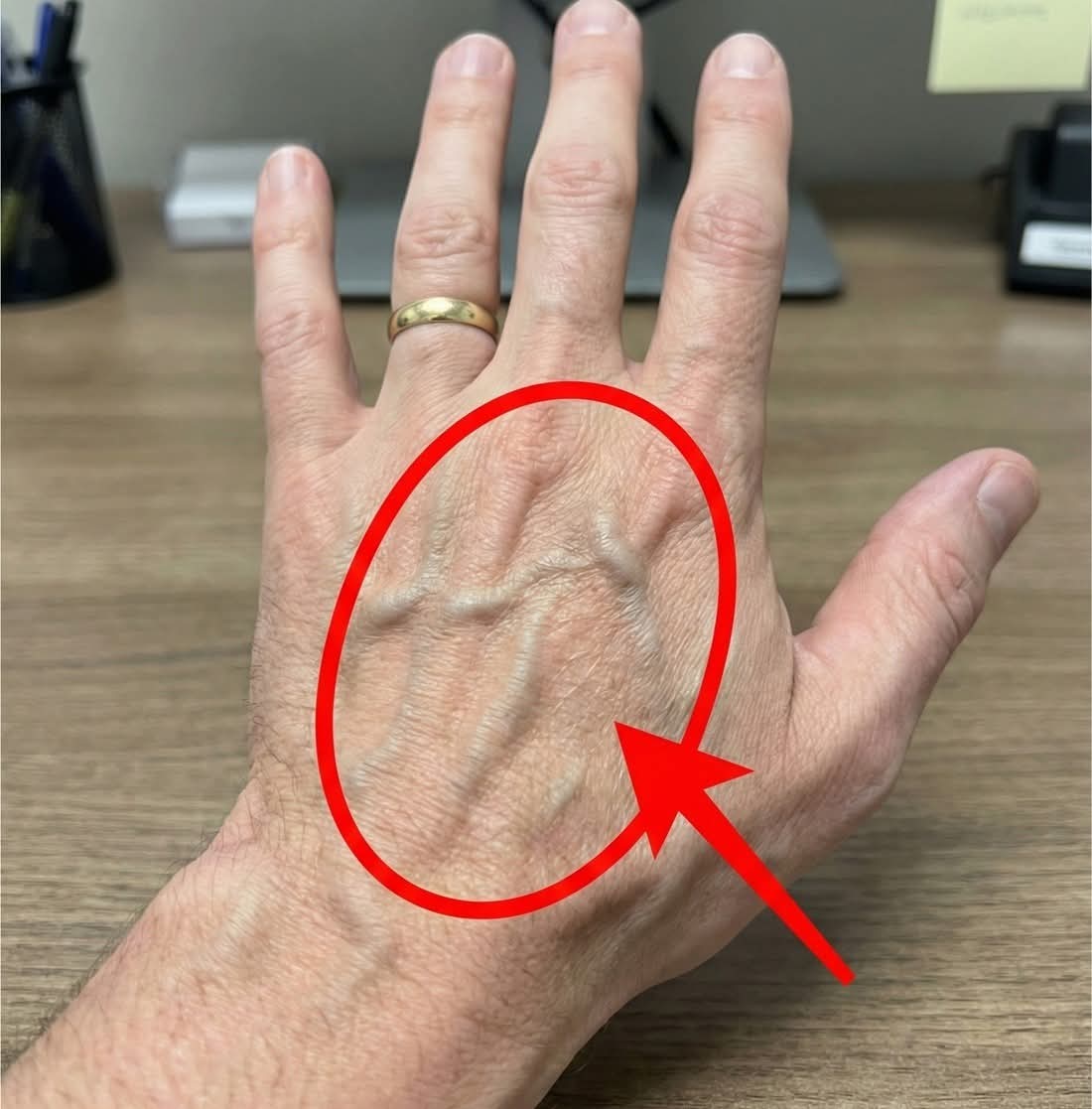
A common misconception is that visible veins indicate poor circulation. In reality, it’s often the opposite—healthy blood flow can make veins more noticeable. True circulation issues tend to come with different symptoms, such as numbness, persistent coldness, or slow-healing wounds.
That said, there are times when vein changes shouldn’t be ignored. Conditions like Varicose veins can cause veins to appear enlarged, twisted, and sometimes painful. More serious concerns, such as Deep vein thrombosis, may involve swelling, pain, or warmth in one limb and require immediate medical attention.
If you’re looking to support healthy circulation, simple lifestyle habits can make a difference. Regular movement—like walking or cycling—helps keep blood flowing efficiently. Staying hydrated, maintaining a balanced weight, and avoiding long periods of sitting or standing can also support your vascular system.
In most cases, visible veins are simply a reflection of your body’s natural structure, fitness level, and environment—not a cause for alarm. Paying attention to your body is important, but understanding what’s normal can save you unnecessary worry.
If you found this helpful, share your thoughts below and stay tuned for more simple, science-backed health insights to keep you informed and confident.