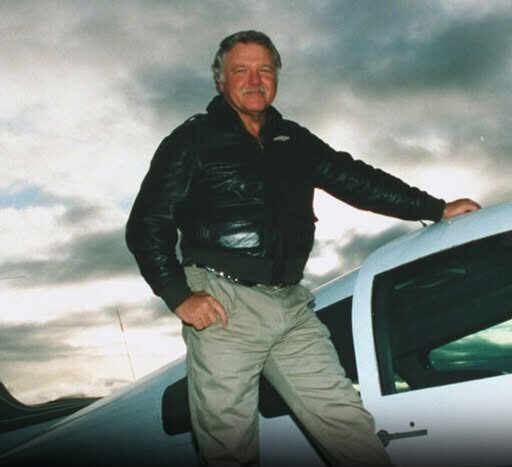
From Soldier to Political Activist
After leaving the Army, Gritz became active in political and constitutional movements. He engaged with the Christian Patriot movement, militia groups, and conspiracy-focused circles, drawing both support and criticism. In 1992, he ran for president under the Populist Party, emphasizing constitutional rights and citizen sovereignty.
Mediating Domestic Standoffs
Gritz gained national attention for his role in the 1992 Ruby Ridge standoff in Idaho, where he attempted to negotiate a peaceful outcome after the deaths of Randy Weaver’s wife and son. His intervention helped prevent further fatalities. He later tried to mediate the 81-day Montana Freemen standoff, though with less success.
Throughout these episodes, Gritz framed his actions as an extension of his military oath — protecting American citizens and defending constitutional principles, even in dangerous circumstances.
The Rambo Connection
Gritz claimed his life experiences informed aspects of the fictional character John Rambo. While the connection is debated, Gritz embraced the association, appearing in the 2017 documentary Erase and Forget, where he discussed his military career, activism, and post-war reflections.
Later Life in Sandy Valley
Gritz lived in Sandy Valley, near the California-Nevada border, for over 45 years. His wife noted he wanted to remain in the desert community, passing peacefully at home. He is survived by four children and remembered for his unwavering commitment to his beliefs and family.
A Legacy of Bravery and Debate
James “Bo” Gritz leaves a complex legacy — a decorated war hero, political provocateur, and mediator who often walked the line between valor and controversy. His life intersected pivotal moments in both international and domestic arenas, making him a figure of enduring fascination.
Share your thoughts on Gritz’s legacy in the comments — do you see him as a hero, a provocateur, or both?