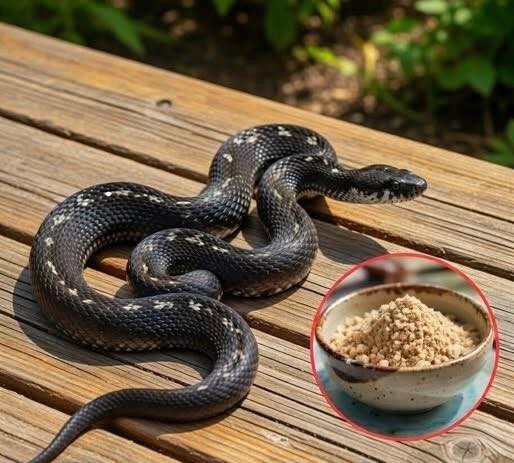
Rain can wash them away. Sunlight can weaken them. Outdoor air can dilute the smell quickly. Even if a snake avoids the area for a short time, the effect is usually temporary.
Worse, some harsh chemicals can create new risks for pets, children, soil, plants, and nearby wildlife.
Why Snakes Come Near Homes
Snakes usually enter a yard for practical reasons. They are looking for shelter, safety, warmth, or food.
A yard becomes more attractive when it has:
Tall grass
Dense bushes
Woodpiles
Leaf piles
Unused clutter
Open gaps under decks or sheds
Rodents, insects, or other small prey
If those conditions remain, snakes may keep returning. Removing one snake does not fix the reason it came there in the first place.
The Best Way to Reduce Snake Encounters
The most effective prevention starts with yard maintenance.
Keep the grass short. Trim overgrown shrubs. Remove piles of wood, leaves, and debris. Clear clutter from corners, fences, sheds, and storage areas.
Snakes prefer places where they can hide. A clean, open yard gives them fewer safe spots and makes the area less appealing.
Seal Gaps Around the Home
Small openings can give snakes a way into yards, sheds, garages, crawl spaces, and under decks.
Check for cracks, holes, loose boards, damaged vents, and spaces beneath structures. Seal openings where possible and repair weak spots before they become a bigger issue.
Even small gaps can matter, especially around foundations, fences, and storage areas.
Control Rodents and Insects
Food is one of the biggest reasons snakes stay in an area.
If your yard has rodents, insects, or food waste, snakes may see it as a reliable hunting spot. Secure trash bins, clean up fallen fruit, avoid leaving pet food outside, and reduce clutter where pests can hide.
When the food source disappears, the yard becomes much less attractive to snakes.
Avoid Risky DIY Chemical Tricks
Chemical shortcuts may feel like fast action, but they can backfire.
Ammonia and other harsh substances can irritate pets, harm children if they touch treated areas, damage soil, and affect plants. They also do not address the real problem: shelter and food.
A safer strategy is to change the environment instead of trying to overpower nature with strong smells.
Snakes Also Have a Role in Nature
Snakes may be unsettling, but they are not pointless. They help control pests such as rodents and insects, which can cause their own problems around homes and gardens.
The goal is not to destroy wildlife. The goal is to keep snakes away from areas where people and pets spend time.
A balanced yard can be safer for your family while still respecting the natural ecosystem.
What to Do If You See a Snake
Stay calm and keep your distance. Do not try to grab, corner, or harm it.
Move children and pets indoors. Watch where the snake goes from a safe distance. If it enters a dangerous area or you cannot identify it, contact local animal control or a wildlife removal professional.
Most snake encounters become more dangerous when people try to handle the situation too aggressively.
Final Thoughts
Snake prevention is not about one magic trick. It is about consistency.
Short grass, clean outdoor spaces, sealed gaps, pest control, and regular inspections do more than temporary repellents ever will. When you remove the things snakes are looking for, your yard becomes a place they are less likely to visit.
Have you ever had a snake appear in your yard? Share what happened in the comments — your experience may help another homeowner stay calm and handle it safely.