
This phenomenon, historically called Trousseau syndrome, has been observed for over a century: recurring, unexplained clots can indicate hidden cancers long before other symptoms appear.
Systemic Edema: When Both Legs Swell
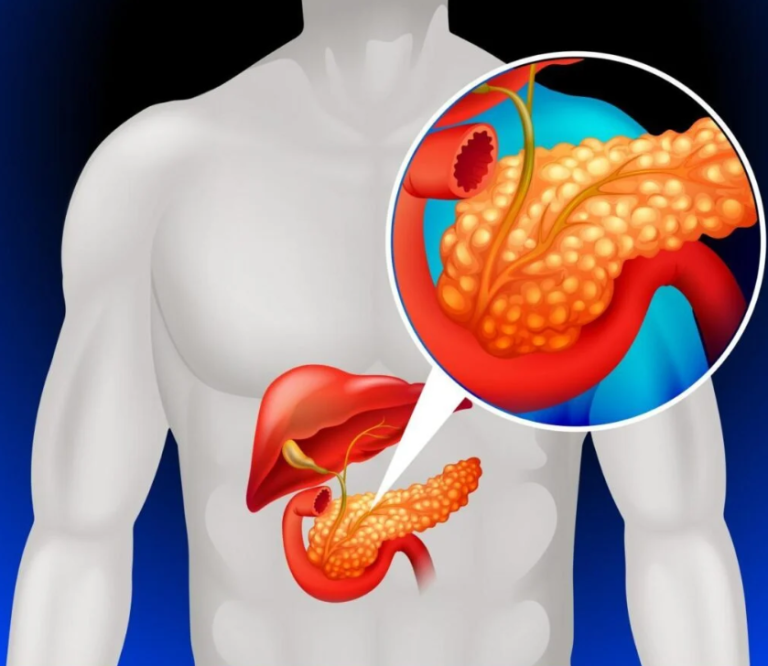
Not all swelling is caused by clots. Pancreatic tumors can disrupt protein absorption, particularly albumin, which helps keep fluids in the bloodstream. Low albumin can lead to systemic edema—swelling in both legs, often accompanied by pitting when pressed. Unlike DVT, this swelling develops gradually but still signals potential pancreatic or liver dysfunction.
Diagnosing the Underlying Cause
Medical evaluation is crucial if leg swelling appears without an obvious reason. Doctors may start with blood tests like D-dimer to detect clotting activity, then use imaging tools such as duplex ultrasound to locate clots. If unprovoked clots are found, CT or MRI scans of the abdomen may follow to check for hidden pancreatic tumors. Early detection can make a significant difference in treatment outcomes.
Treatment and Management
Treatment focuses on both symptom relief and addressing the underlying cancer:
- Anticoagulants: Medications like DOACs or LMWH prevent clot growth and reduce the risk of pulmonary embolism.
- Preventive Strategies: High-risk patients may receive blood-thinning medication early to reduce clot formation.
- Supportive Care: Compression stockings, leg elevation, and light physical activity can reduce swelling and improve circulation.
Swollen legs shouldn’t be ignored, especially when accompanied by other warning signs like unexplained weight loss or fatigue. Paying attention to your body’s signals could be lifesaving.
Take Action: Have you noticed unexplained leg swelling? Share your experiences in the comments and encourage loved ones to stay alert to these silent health warnings.