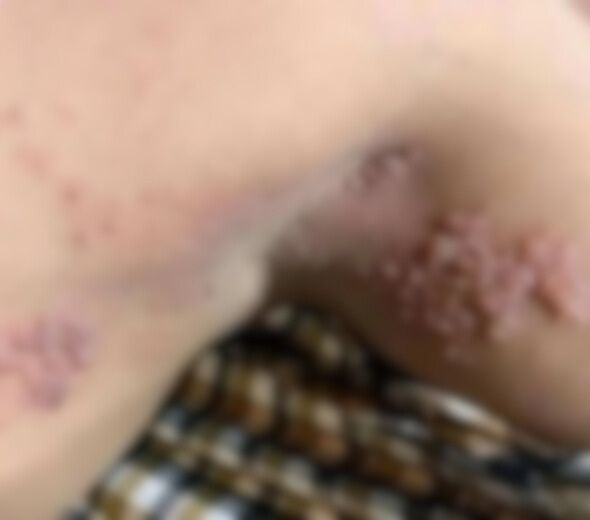
- Molluscum contagiosum: Firm, dome-shaped bumps with central dimples. Painless but can spread through skin contact; the body may eventually clear it, though medical treatment can speed this up.
- Syphilis: Begins with a painless sore called a chancre, which can easily go unnoticed. Untreated, it progresses to more serious stages. Early detection through a swab or blood test allows effective antibiotic treatment.
Chronic Skin Conditions
Not all changes are infectious. Lichen Sclerosus creates thin, white, itchy patches, while Lichen Planus appears as flat, purple bumps or lacy white patches. These inflammatory conditions aren’t contagious and are usually managed with prescription topical treatments.
When to See a Healthcare Provider
Embarrassment shouldn’t delay care. Seek medical attention if you notice:
- Lesions that bleed or discharge unusual fluid
- Sores that don’t heal within one to two weeks
- Painful or tender bumps
- Skin changes with fever, fatigue, or swollen groin lymph nodes
- Potential exposure to an infection
A professional evaluation provides peace of mind and ensures you can treat conditions effectively, protecting both your health and that of your partners.
The Bottom Line
Treat genital health like any other medical concern. Minor bumps could be simple irritation—or signs of a treatable condition. Staying observant, seeking timely care, and trusting healthcare professionals transforms anxiety into proactive self-care.
Have you ever faced a mysterious genital bump or lesion? Share your experiences and tips below to help others feel informed and empowered.