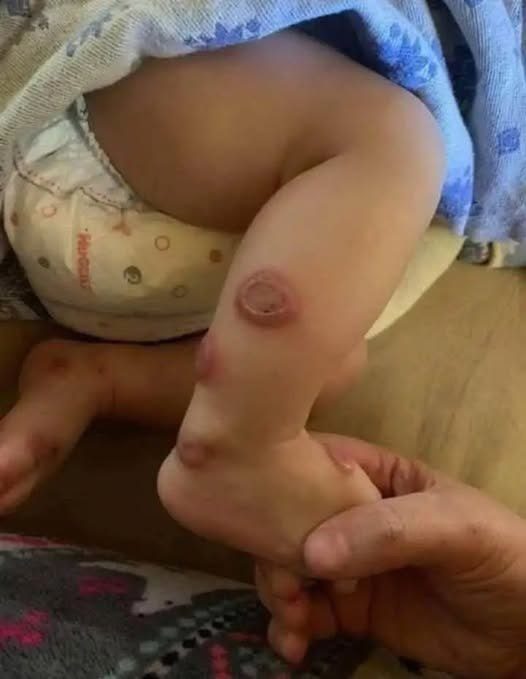
This is how a severe allergic response begins—often referred to as anaphylaxis.
And when it develops, it moves quickly.
The body reacts on multiple levels at once—
skin, airways, circulation.
Early symptoms can include:
Shortness of breath.
Wheezing.
A tightening sensation in the chest.
Then it can intensify.
Swelling of the lips or tongue.
Difficulty swallowing.
A racing heartbeat.
Dizziness or confusion.
At this stage, every second matters.
Without prompt attention, symptoms can worsen rapidly.
In severe cases, people may lose consciousness or experience a dangerous drop in blood pressure.
What makes it even more concerning is how unpredictable it can be.
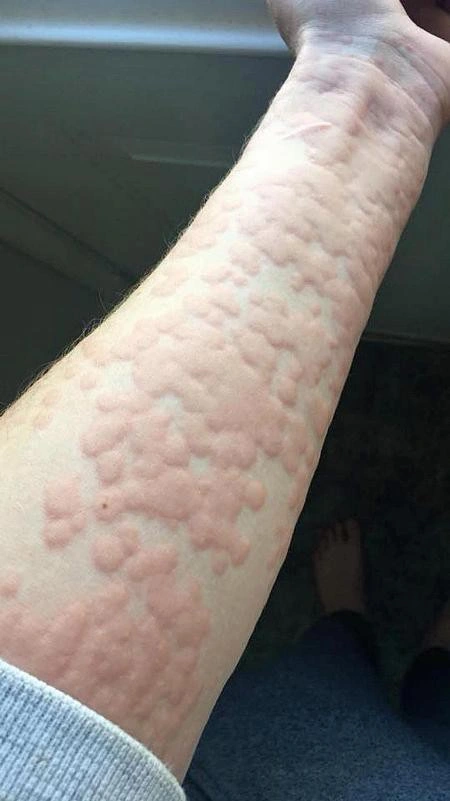
Triggers vary widely—
certain foods, medications, insect stings, or environmental factors.
Sometimes people are aware of their allergies.
Other times, it happens without any prior warning.
That uncertainty is what makes awareness so important.
The biggest risk isn’t always the reaction itself—
it’s delaying action.
Waiting it out.
Hoping it passes.
Ignoring early signs.
But once breathing is affected, it’s no longer minor.
It’s a medical emergency.
Acting quickly can make a critical difference.
When it comes to health, it’s always safer to take symptoms seriously and seek help sooner rather than later.
Because when the body is under severe stress, hesitation can cost valuable time.
Have you or someone you know experienced a sudden allergic reaction? Share your thoughts or experiences below—and follow for more clear, important health insights.