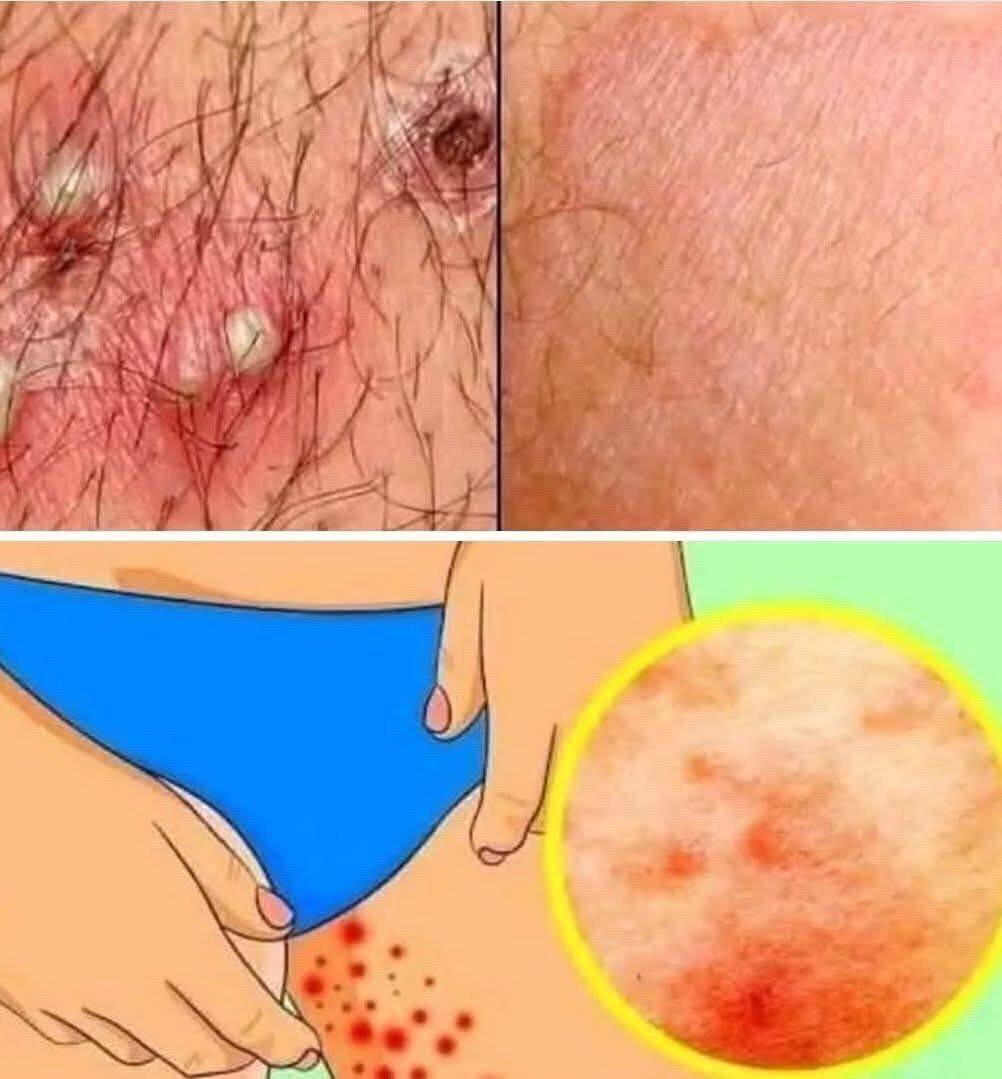
The skin in the groin area is one of the most sensitive parts of the body, yet it is constantly exposed to friction, heat, sweat, and pressure from clothing. Add hair removal into the mix—whether shaving, waxing, or trimming—and it’s easy to see why irritation in this region is so common. Many people experience redness, itching, or small bumps at some point, and while it can be uncomfortable or even embarrassing, it is usually not a sign of anything serious.
One of the most frequent reasons for these bumps is ingrown hairs. This happens when a hair that has been shaved or removed grows back in the wrong direction and curls into the skin instead of growing outward. The body reacts to this trapped hair as if it were a foreign object, which can lead to inflammation, creating a small red or pink bump that may feel tender or itchy. In some cases, a tiny dark spot may even be visible in the center, which is the trapped hair beneath the surface.
While ingrown hairs can be irritating, they are generally manageable at home with simple care. One of the most effective approaches is applying a warm compress to the affected area. The gentle heat helps soften the skin, reduce inflammation, and may encourage the hair to naturally work its way out. This should be done for several minutes a few times a day for best results.
Another helpful step is gentle exfoliation. Using a soft washcloth or a mild exfoliating product can help remove dead skin cells that might be trapping hairs beneath the surface. However, it’s important to be very gentle—harsh scrubbing can make irritation worse and slow the healing process.
Clothing also plays a major role in skin recovery. Tight underwear, leggings, or synthetic fabrics can trap heat and increase friction, making irritation worse. Switching to loose-fitting, breathable cotton clothing can give the skin a chance to heal more comfortably and reduce further rubbing.
If shaving is part of your routine, taking a short break can also help. Allowing the hair to grow out naturally reduces the chance of new ingrown hairs forming and gives existing bumps time to settle. When you do resume shaving, using a clean, sharp razor and shaving in the direction of hair growth can make a noticeable difference in preventing future irritation.
It is also important to resist the urge to squeeze or pick at ingrown hairs. While it might feel tempting, doing so can push bacteria deeper into the skin, increasing the risk of infection, dark spots, or scarring. Patience and gentle care are usually more effective and safer in the long run.
In most cases, groin irritation and ingrown hairs improve within a few days to a week with proper care. However, if a bump becomes increasingly painful, swollen, or filled with pus, or if the irritation keeps returning, it may be worth seeking medical advice to rule out infection or other skin conditions.
Understanding how your skin reacts to grooming, heat, and friction can help you make small adjustments that prevent discomfort in the future. Simple changes in hygiene, clothing, and hair removal habits can go a long way in keeping the area calm, healthy, and irritation-free.
If you found this helpful, feel free to share your thoughts or experiences in the comments, and explore more practical skin health tips on our page.