Challenging and Classic Cinema Side by Side
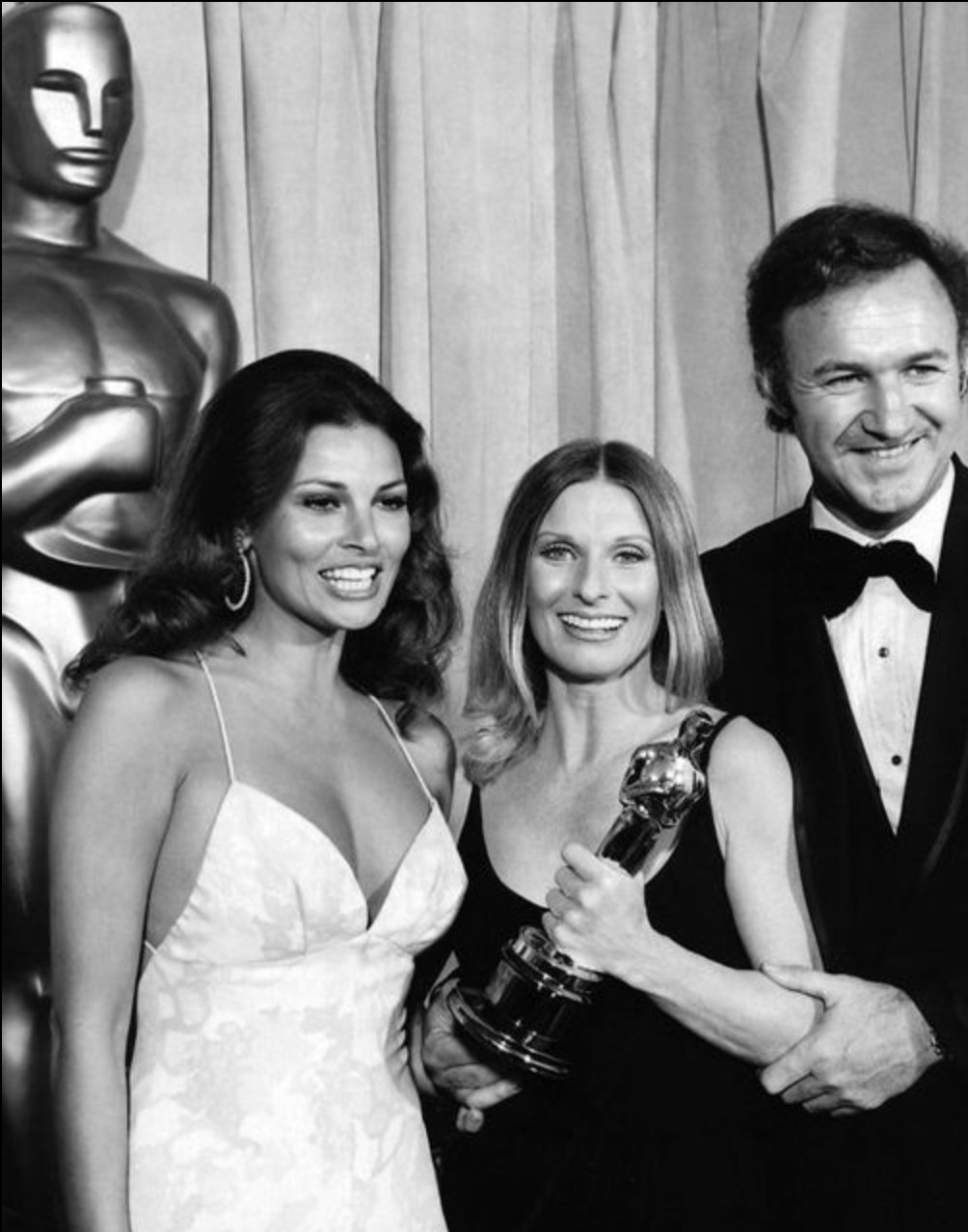
The Best Picture nominees reflected a cinematic crossroads. Stanley Kubrick’s A Clockwork Orange shocked audiences with stylized violence and moral unease, while Fiddler on the Roof showed that sweeping, heartfelt musicals still had power. Peter Bogdanovich’s The Last Picture Show, stark and black-and-white, earned acting Oscars for Cloris Leachman and Ben Johnson, proving subtle, character-driven storytelling could still resonate profoundly.
Music and Cultural Shifts
Isaac Hayes’ win for “Theme from Shaft” highlighted another evolution: recognition of Black artists and the growing influence of soul and funk on American culture. Musical moments like this transformed the Oscars from mere ceremony into cultural commentary.
A Legendary Return
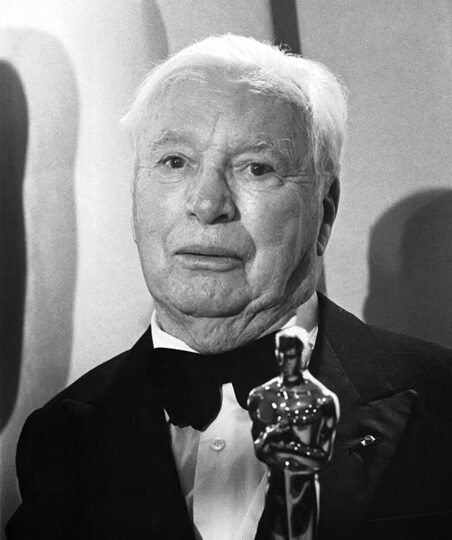
No moment captured the night like Charlie Chaplin’s return to accept an honorary award. After decades in exile, Chaplin received a standing ovation lasting twelve minutes—a tribute not just to his art, but to Hollywood’s acknowledgment of its own complicated past. It was history, reconciliation, and emotional truth rolled into one.
Why 1972 Still Matters
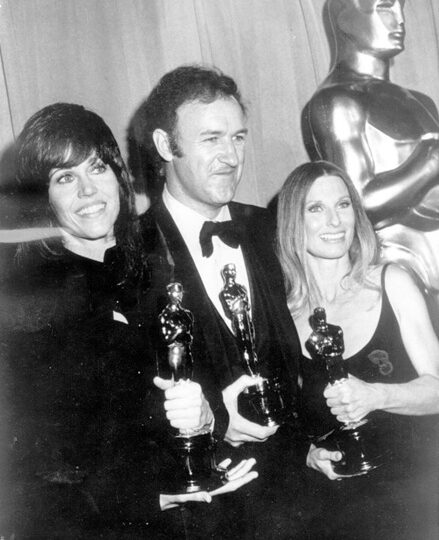
The 1972 Oscars weren’t perfect—they were honest. They celebrated legends while embracing controversy, innovation, and authenticity. They reminded the world that cinema is alive, evolving, and always reflecting the times. That balance of nostalgia and rebellion is why the night still resonates decades later.
Hollywood may change, but stories that challenge, inspire, and endure will always leave a mark. Explore cinema that moves you and keeps the conversation alive.