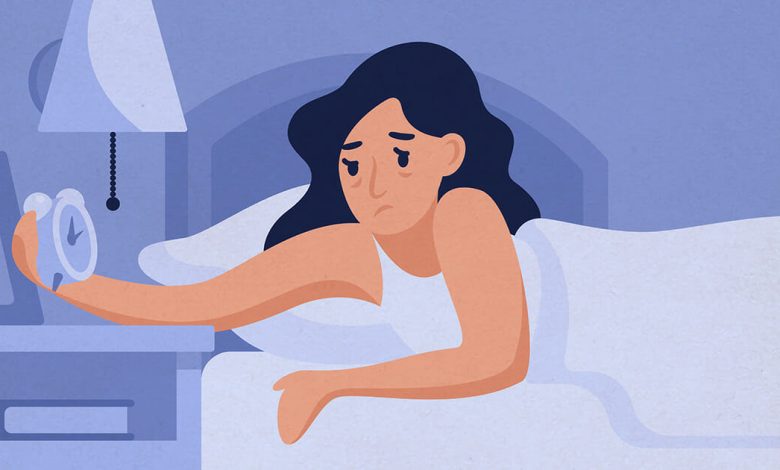
The time between 3:00 a.m. and 5:00 a.m. is often called the “hour of the wolf,” a phrase made famous by Swedish filmmaker Ingmar Bergman in his psychological horror film of the same name.
Bergman once described it as the stretch between night and dawn when sleep is at its deepest, nightmares feel the most vivid, and those who are awake may experience heightened emotional distress. He also noted that this time is strangely linked to both increased births and deaths.
According to film scholar Birgitta Steene, the phrase itself comes from Swedish folklore, where the “hour of the wolf” refers specifically to the period between 3:00 a.m. and 5:00 a.m.
Traditionally, this window has also been associated with what’s known as the “witching hour” — a time in the night believed in folklore to be connected with supernatural activity, when spirits or other unseen forces are thought to be most active.
From a scientific perspective, this timeframe also coincides with the body’s natural circadian rhythm — the 24-hour internal cycle that regulates sleep, body temperature, hormone levels, and metabolism.
In the early morning hours, especially around 4:00 a.m., these bodily functions reach their lowest point. For people who sleep soundly, this marks the deepest stage of rest. However, for individuals prone to stress or anxiety, this same low point can make worries feel more intense, which may explain why waking up during this period can feel so unsettling.
So while waking between 3:00 a.m. and 5:00 a.m. might seem unusual, it’s actually tied to both cultural beliefs and biological rhythms — a moment when the body is at rest, but the mind can become unexpectedly active.