A Different Way to Make Breakfast
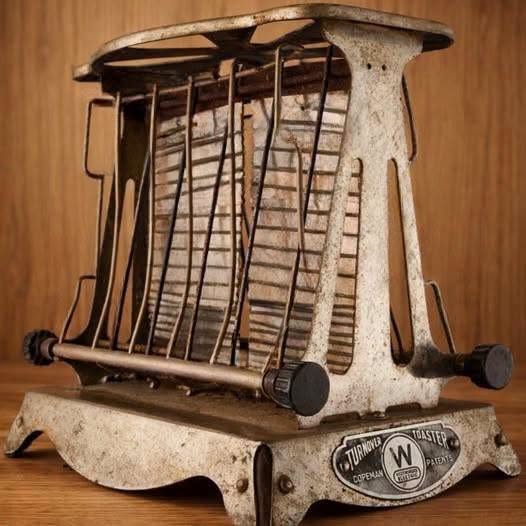
Unlike modern toasters, early electric models featured exposed heating elements and a wire rack that held slices of bread.
As the heating coils warmed, users watched the bread carefully and manually flipped the rack to toast the opposite side. There were no timers, automatic shutoffs, or pop-up mechanisms.
Making toast required attention and a little patience, turning a simple breakfast task into an interactive part of the morning routine.
A Symbol of Early Home Electrification
When turnover toasters first appeared, electricity was still a relatively new feature in many homes.
For families accustomed to cooking with wood, coal, or gas stoves, electric appliances represented a major technological advancement. These early devices demonstrated how electricity could be used safely and conveniently for everyday household tasks.
The toaster became one of several appliances that introduced people to the possibilities of modern electric living.
Technology You Could See
One feature that makes vintage toasters especially interesting today is their open design.
Rather than hiding the heating elements behind insulated walls, these appliances allowed users to watch the glowing coils as they converted electrical energy into heat.
This visible process gave people a greater appreciation for how the technology worked and reflected an era when household appliances were both practical tools and fascinating innovations.
The Evolution of Convenience
As electrical engineering advanced, manufacturers introduced enclosed pop-up toasters with automatic timers, thermostats, and improved safety features.
These newer designs reduced the need for constant supervision and provided more consistent results.
While modern appliances prioritize speed and convenience, early models required users to remain involved throughout the cooking process.
Why Collectors Still Appreciate Them
Although turnover toasters are no longer practical for everyday use, they remain popular among antique collectors and museums because they represent an important stage in the history of home technology.
They offer insight into how families adapted to electric appliances during the early twentieth century and how everyday routines gradually changed as technology became more reliable and accessible.
A Small Appliance With a Big Story
The turnover toaster is more than an old kitchen gadget.
It reflects a time when electricity was transforming daily life and when many households were discovering new ways to prepare meals more efficiently.
Looking back at these early appliances helps us appreciate how far kitchen technology has evolved while reminding us of the creativity and innovation that shaped the modern home.
Final Thoughts
Today’s toasters operate with the push of a lever, often requiring little thought from the user. Early electric toasters, by contrast, encouraged patience, observation, and participation.
Though simple by modern standards, these vintage appliances remain fascinating examples of how technology gradually became part of everyday life—and how even a routine breakfast helped introduce families to a new era of innovation.