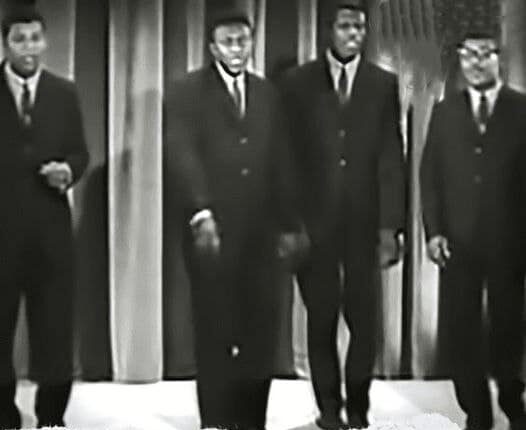
Parris later shared with Smithsonian Magazine, “When I arrived at camp, I went straight to the day room. There was a piano there, and I started playing the chord in my head and the words in my heart. Before I knew it, it was time for guard duty. The stars were twinkling, and it was a perfect reflection of my feelings.”
It was this raw, heartfelt emotion that became the backbone of “In the Still of the Night.”
The Magic of a Basement Recording
The Five Satins recorded the song using just a couple of tape recorders in the freezing basement of St. Bernadette’s Church in Connecticut. Parris believed the setting added a special blessing: “Because we did it at the church, I think the song was blessed. And so was I… it lasted a long, long time.”
Though the love that inspired it didn’t last—Marla eventually moved to California and never returned—the song did, growing into a cultural touchstone.
A Timeless Classic Beyond the Charts
While the single reached #24 on the Billboard Hot 100, its true power lay in the hearts of listeners. From school dances to romantic evenings, and later oldies playlists, the track became synonymous with love and nostalgia. Its iconic opening—“Shoo-doo-shoo-be-doo”—paired with silky vocals, created a melody that remains instantly recognizable.
Over the years, “In the Still of the Night” has been reimagined by artists like The Beach Boys, Debbie Gibson, and Boyz II Men, bridging generations. Its presence in films like Dirty Dancing and The Irishman further cemented its status as a timeless classic.
Why the Song Still Matters
This isn’t just a song—it’s an experience. Its harmonies, emotion, and universal theme of love allow listeners to step back into a beautifully preserved era, feeling the same longing and joy that inspired Parris decades ago. It’s doo-wop at its finest: simple yet profoundly moving.
Have memories tied to “In the Still of the Night”? Share your favorite moments below, and pass this story along to friends so they can relive the magic too!