The Name Behind the Mystery
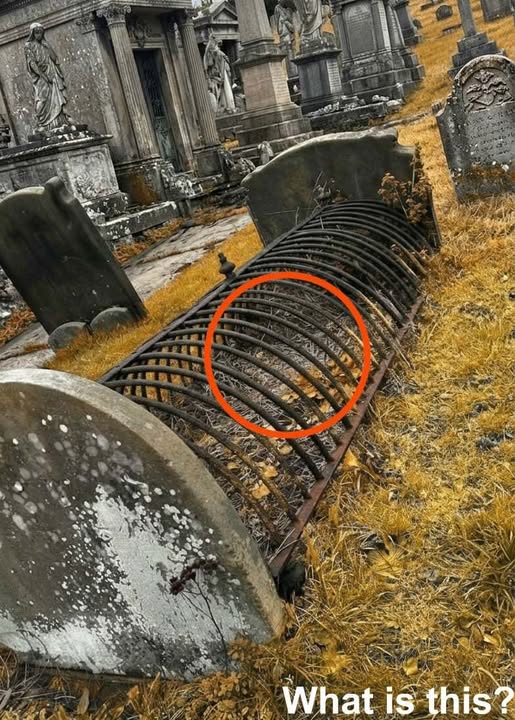
These devices are known as mortsafes—protective iron frameworks used mainly in the 18th and 19th centuries. They were placed over freshly dug graves during a time when burial sites were at risk of disturbance.
While they may look unusual today, they once served a very practical and urgent purpose.
Why Mortsafes Were Necessary
During that period, medical science was advancing rapidly, and anatomy became a key part of education. However, there was a serious shortage of legally obtained bodies for study.
This imbalance led to the rise of grave robbing. Criminals would dig up newly buried graves and sell the bodies to medical institutions. It created fear and distress among families who wanted to ensure their loved ones rested in peace.
Communities had to act—and mortsafes became one of the most effective solutions.
How They Worked
Mortsafes were built from heavy iron bars and secured tightly over a grave. Their design made them difficult to remove quickly, discouraging any attempt to disturb the burial.
They weren’t permanent fixtures. Typically, they were used for a limited time—just long enough for the body to naturally decompose to a stage where it was no longer targeted. Afterward, the mortsafe could be removed and reused for another grave.
It was a practical system that balanced protection with resourcefulness.
More Than Just Metal
Although they might look harsh or intimidating, mortsafes carried a deeper meaning. They were not symbols of fear—they were acts of care.
Families and communities used them to protect dignity, showing respect for those they had lost. In a time when peace after burial could not be guaranteed, these iron structures stood as a physical promise of protection.
A Window Into the Past
Today, seeing a mortsafe can instantly change how a cemetery feels. It’s a reminder that these quiet spaces were not always as undisturbed as they seem now.
They tell a story of a different time—one where science, necessity, and ethics collided, and where communities had to defend what mattered most.
Why They Still Capture Attention
Part of what makes mortsafes so fascinating is how easily they can be misunderstood. Without context, they appear mysterious or even alarming. But once their purpose is understood, they become something else entirely—historical artifacts that reflect human ingenuity and care.
They show how people responded to real challenges with practical solutions, even in moments of grief.
A Lasting Symbol of Protection
Centuries later, these iron structures remain standing in some cemeteries, quietly preserving their story. They no longer serve their original purpose, but they continue to remind us of the lengths people once went to protect the dignity of those they loved.
What seems unusual at first often holds meaning beneath the surface.
👉 Did you know what a mortsafe was before reading this? Share this with someone and see if they can guess its purpose!