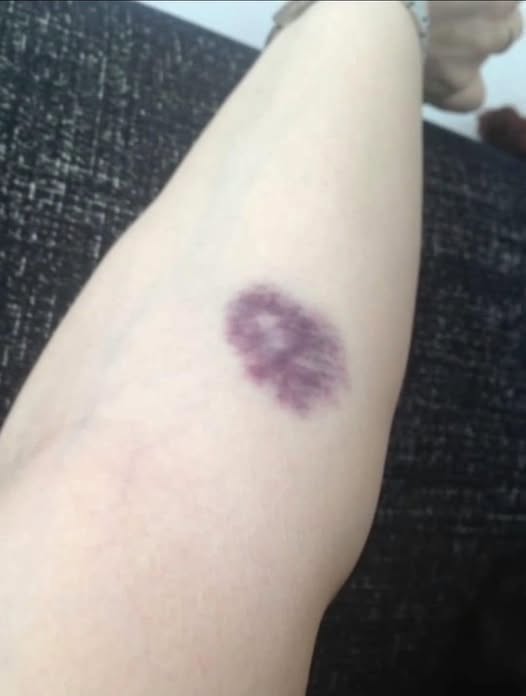
Why Bruises Happen
Bruises form when small blood vessels beneath the skin are damaged, allowing a small amount of blood to collect in nearby tissue. As the body gradually breaks down and reabsorbs this blood, the bruise changes color before fading away.
Most bruises heal on their own within a couple of weeks and require little more than time and basic care.
Common Reasons You May Bruise More Easily
Several everyday factors can make bruising more noticeable, including:
- Aging: As skin becomes thinner with age, blood vessels become more fragile and easier to damage.
- Medications: Blood thinners, aspirin, corticosteroids, and some anti-inflammatory medications may increase the likelihood of bruising.
- Nutritional deficiencies: Low levels of nutrients such as vitamin C or vitamin K may affect blood vessel health or normal blood clotting.
- Physical activity: Exercise, sports, or minor impacts can sometimes cause bruises without you realizing it at the time.
In many situations, these causes are not serious and can often be managed with guidance from a healthcare provider.
When to Seek Medical Advice
Although most bruises are harmless, it is a good idea to speak with a healthcare professional if you notice:
- Frequent bruises with no clear cause
- Bruises that are unusually large or painful
- Bruising that takes much longer than usual to heal
- Frequent nosebleeds or bleeding from the gums
- Tiny red or purple spots on the skin that do not fade when pressed
- Unusual fatigue, persistent illness, or other new symptoms occurring alongside easy bruising
These symptoms do not necessarily indicate a serious condition, but they deserve proper medical evaluation.
How Healthcare Providers Evaluate Easy Bruising
If bruising becomes a concern, a healthcare provider may ask about:
- Your medications and supplements
- Recent injuries or physical activity
- Family medical history
- Diet and nutrition
- Other symptoms you may be experiencing
Depending on your situation, simple blood tests may be recommended to evaluate blood clotting, platelet levels, or nutritional status.
Caring for Everyday Bruises
For most minor bruises, self-care is usually enough:
- Apply a cold pack during the first 24 hours to help reduce swelling.
- Elevate the affected area when possible.
- After the first couple of days, gentle warmth may help improve circulation.
- Give the bruise time to heal naturally.
Eating a balanced diet rich in fruits, vegetables, lean proteins, and whole grains also supports overall skin, blood vessel, and circulatory health.
The Bottom Line
Most unexplained bruises turn out to have simple, harmless explanations. However, paying attention to changes in your body is always worthwhile.
If bruising becomes more frequent, appears without a clear reason, or occurs alongside other concerning symptoms, scheduling an appointment with your healthcare provider is the best way to determine the cause and receive appropriate guidance.
Being aware of your body’s signals—and seeking medical advice when something seems unusual—is an important part of maintaining your overall health.