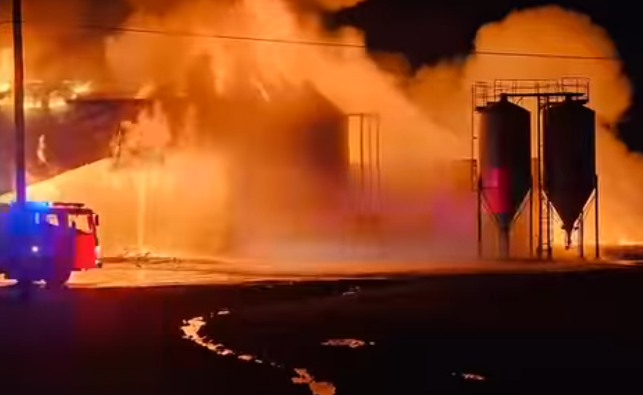
As daylight broke, the human toll became apparent. Authorities reported dozens of deaths and hundreds of injuries, ranging from minor cuts to severe trauma. Hospitals in affected areas were quickly overwhelmed, with medical teams working tirelessly despite power outages and limited resources. Volunteers rushed to help with triage, blood donations, and transportation when ambulances couldn’t reach cut-off neighborhoods.
Search-and-rescue operations began immediately. Firefighters, police, military personnel, and trained volunteers combed through rubble with heavy machinery, sniffer dogs, and thermal imaging equipment, listening for signs of life. Aftershocks and unstable structures made the work extremely dangerous, emphasizing the urgency of the first 48 hours, a window experts call critical for saving lives.
Despite the devastation, moments of hope emerged. In one widely shared story, rescuers pulled a young child alive from a collapsed school building after hours of careful digging, offering relief to families anxiously awaiting news. Similar rescues have provided emotional lifelines to communities facing grief and uncertainty.
Governments in the region have mobilized aid, including temporary shelters, food distribution, and medical support. International assistance is being considered as the full scale of the disaster becomes clear. Relief efforts will extend beyond immediate rescue, addressing housing for displaced families, infrastructure repair, and the psychological trauma left in the quake’s wake.
Seismologists warn that aftershocks are likely in the coming days, which could complicate recovery and cause additional damage. Residents are urged to stay cautious, avoid unsafe structures, and follow local guidance.
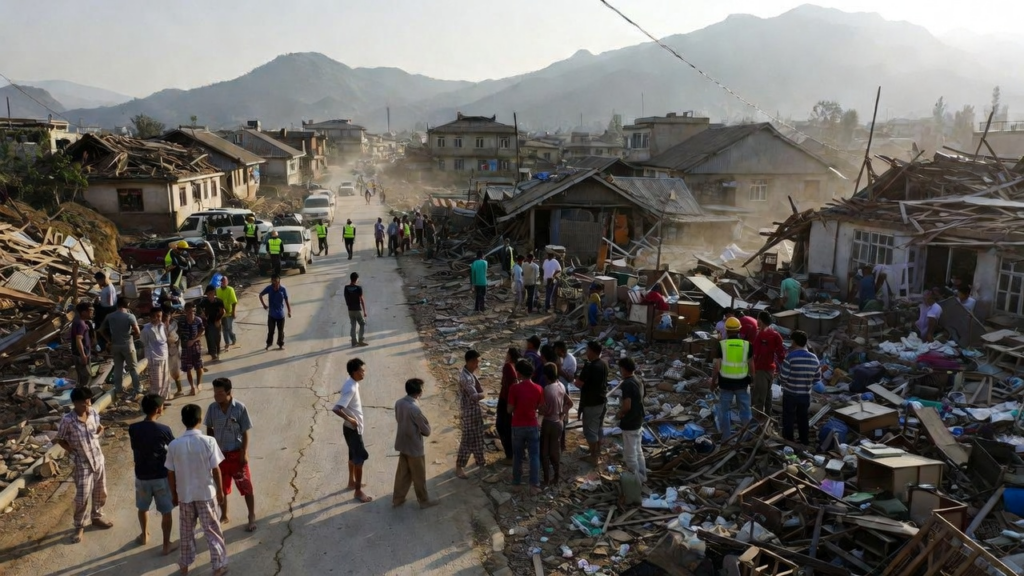
This earthquake underscores the vulnerability of densely populated and mountainous regions to seismic disasters, highlighting the importance of preparation, resilient infrastructure, and rapid emergency response. As communities begin the long road to recovery, the priority remains clear: saving lives, supporting survivors, and restoring safety to a shaken region.
Stay informed and prepared—share this update to help spread awareness and safety tips to those in affected areas.