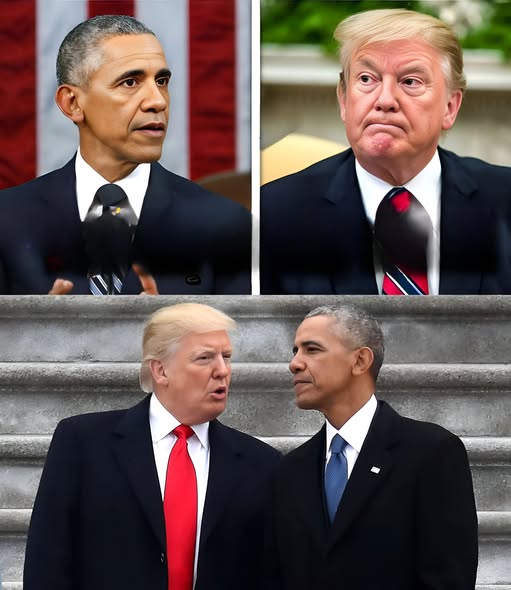
Donald Trump, who held office from 2017 to 2021, emphasized different policy priorities and became known for a more direct and unconventional communication style.
Given this history, public remarks between the two figures naturally carry added significance and attract heightened attention.
Social Media: The Immediate Amplifier
Within moments of the broadcast, platforms like Twitter (X), Facebook, and Instagram were flooded with clips, reactions, and commentary.
Trending hashtags, viral posts, and rapid sharing turned the exchange into a global talking point. This instant feedback loop shows how modern media no longer operates in isolation—television and digital platforms now work together to shape public perception in real time.
What Experts Are Saying
Communication analysts point out that live interviews carry unique influence. Statements made without editing are often perceived as more authentic, which can strengthen their impact—both positively and negatively.
At the same time, such moments can deepen divisions, as audiences often interpret them through their own perspectives and beliefs.
Public Reaction: Divided but Engaged
Reactions to the exchange have been mixed:
- Some viewers praised the remarks as direct and candid
- Others expressed concern about tone and professionalism
- Many focused on how quickly the moment spread rather than the content itself
This range of responses highlights a broader trend—public opinion is increasingly shaped not just by what is said, but by how and where it is shared.
A Broader Shift in Political Communication
This moment reflects a larger shift in how political discourse unfolds today:
- Visibility is constant: Statements are instantly recorded and shared worldwide
- Attention moves fast: Viral moments can dominate news cycles within minutes
- Perception is dynamic: Social media plays a key role in shaping narratives
In this environment, communication strategy is just as important as the message itself.
The Balance Between Expression and Responsibility
Public figures today face a unique challenge: balancing open expression with the expectations of respectful discourse. While live platforms allow for direct communication, they also require careful consideration of tone, impact, and audience interpretation.
For viewers, this creates an opportunity to engage more thoughtfully—by evaluating context, seeking reliable information, and understanding how media influences perception.
Final Takeaway
This televised exchange is more than a headline—it’s a reflection of how politics, media, and public reaction now operate together.
In a world where every word can travel instantly, understanding the bigger picture matters more than ever.
💬 What’s your take on how live media shapes political conversations today? Share your thoughts and join the discussion.