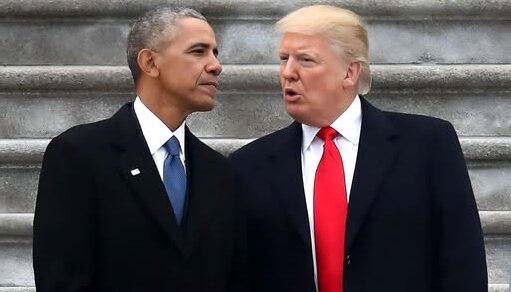
Experts in communication note that live interviews have a unique influence on public perception. Statements made without editing are often viewed as more genuine, which can strengthen their impact. At the same time, this format can intensify divisions, as audiences interpret comments through their own beliefs and perspectives.
Public reaction to the interview has been mixed. Some viewers appreciated the candid tone, seeing it as straightforward and unfiltered. Others raised concerns about the level of professionalism and the broader implications of such exchanges. Many observers, however, focused less on the content itself and more on how quickly the moment spread across platforms.
This situation highlights a broader shift in political communication. Today, visibility is constant—anything said on a live platform can reach a global audience within seconds. News cycles move faster than ever, and viral moments can shape public conversation almost instantly. In this environment, how something is said can be just as important as what is said.
For public figures, this creates a balancing act between open expression and responsible communication. For audiences, it presents an opportunity to think more critically—by considering context, verifying information, and recognizing how media channels influence perception.
This moment is more than just a headline. It reflects how politics, media, and public reaction now operate together in real time, shaping the way conversations unfold on a national and global scale.
What’s your perspective on how live media influences political discussions today? Share your thoughts and join the conversation.