On the ground in Greenland, the pushback is clear. In Nuuk, around 1,000 residents marched to the U.S. consulate, rejecting any discussion of sovereignty transfer. Greenland’s leaders insist: cooperation and investment are welcome, but ownership is nonnegotiable. Autonomous self-governance is not up for debate.
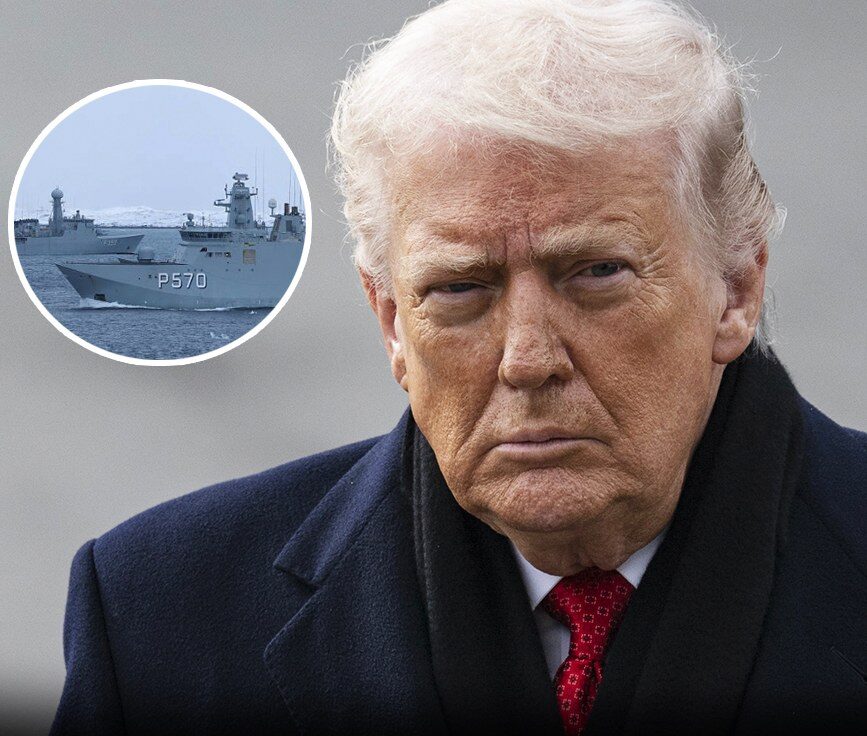
Denmark has sought calm, stressing transparency and dialogue. Troops deployed under Operation Arctic Endurance are framed as purely defensive. Danish Foreign Minister Lars Løkke Rasmussen reaffirmed diplomatic channels remain open, emphasizing dialogue over escalation.
Other European voices have been sharper. Norway’s Foreign Minister Espen Barth Eide called Trump’s threats “unacceptable” among close allies, warning that economic coercion risks long-term trust erosion.
Even in the U.S., some lawmakers are uneasy. Republican Congressman Michael McCaul, former House Foreign Affairs chair, cautioned that any military action could place the U.S. directly against NATO allies. Existing agreements already grant extensive U.S. military access to Greenland; a forceful move, he warned, would upend decades of alliance cooperation.
The Greenland standoff now stands as a symbol of larger anxieties: power, sovereignty, and the durability of alliances in an increasingly tense world. What began as a provocative idea has escalated into a real test of economic, political, and strategic leverage.
Whether diplomacy prevails or tensions escalate further, the outcome will shape not only Greenland’s future but the trust and cohesion among long-standing allies navigating a volatile global stage.
Stay informed and watch how this Arctic standoff unfolds—Greenland may be small on the map, but its impact on global geopolitics is enormous.