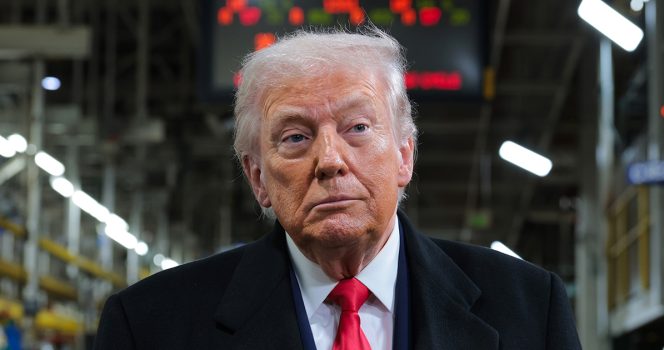
Donald Trump’s popularity as president is showing cracks, according to the latest national polls — but the former president isn’t taking it quietly. Despite a second term that started strong, recent surveys suggest growing dissatisfaction among Americans, while Trump lashes out at what he calls “fake and fraudulent polling.”
After his return to office, Trump’s administration has touted progress on inflation, food prices, and other economic indicators. Yet controversial decisions — from immigration enforcement to handling diplomatic tensions with Greenland, and the ongoing Epstein files — have weighed heavily on public opinion.
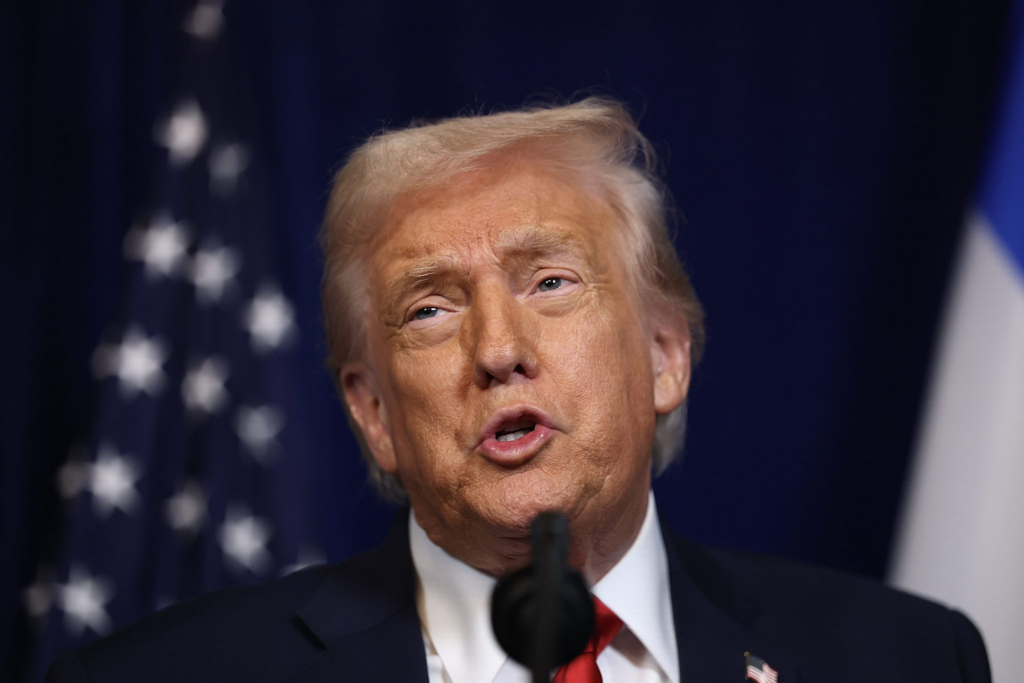
Recent polling paints a challenging picture. A January AP-NORC survey found that 59% of U.S. adults disapprove of Trump’s performance, while only 40% approve. Approval on key issues also lagged:
- Economy: 37% approve, 62% disapprove
- Immigration: 38% approve, 61% disapprove
- Foreign policy & trade: 37% approve, 61% disapprove
Other polls echo these trends. A New York Times–Siena University survey put his approval at roughly 40%, while Wall Street Journal polls place it at 45%, and Reuters/Ipsos at 41%. RealClearPolitics’ national average shows Trump with a 42% approval rating versus 55% disapproval.
Despite the numbers, Trump has doubled down on criticism. On Truth Social, he accused multiple news outlets, including Fox News, of publishing misleading polls and reaffirmed his claims about the 2020 election.
“Fake and Fraudulent Polling should be, virtually, a criminal offense,” Trump wrote. “The Anti-Trump media during the 2020 election showed polls that were knowingly wrong… You can’t do much better than my election results, and yet the media spread false numbers.”
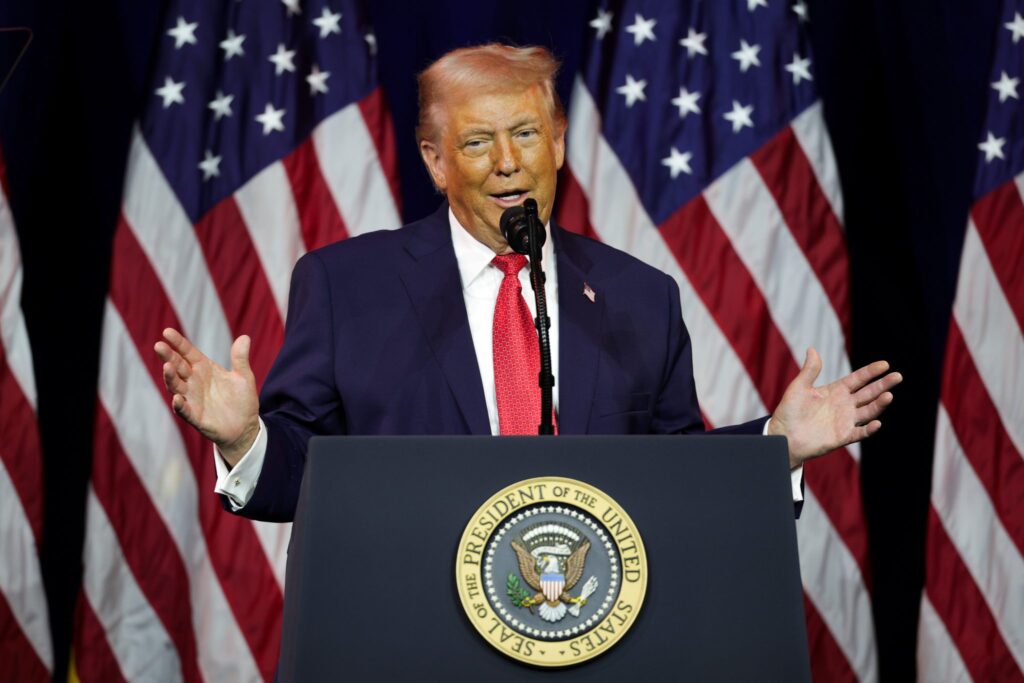
Trump continued, targeting both legacy and contemporary outlets: “Something has to be done about fraudulent polling… even Fox News and Wall Street Journal polls have been terrible. The media does not want to use great pollsters who call elections right.”
Republican pollster Daron Shaw told Fox News that support among Republicans remains strong, but opposition from Democrats is now more fixed. Meanwhile, Trump’s attacks on pollsters signal that he intends to challenge the narrative publicly, regardless of numbers.
The question remains: will these approval trends impact Trump’s path toward the midterms, or will his base continue to rally behind him despite broader disapproval?