Temporary Relief, Ongoing Negotiations
The bill was approved after days of negotiations marked by sharp divisions within Congress. While the measure reopened the government, it postponed debates over immigration and border security, two of the most contentious issues facing lawmakers.
In the House vote, 21 Republicans opposed the bill, citing concerns that it did not include full-year DHS funding or provisions related to election security. At the same time, 21 Democrats supported the measure, providing the margin needed for passage.
President Trump said signing the bill was necessary to avoid further economic disruption and ensure the continuity of essential government services.
“We cannot have another prolonged shutdown that hurts our country,” Trump said. “This agreement allows us to keep the government functioning while continuing discussions on unresolved issues.”
What the Bill Covers
The spending package funds major federal departments, including:
- Education
- Transportation
- Housing and Urban Development
- Health and Human Services
Funding decisions related to immigration enforcement were largely deferred. Democratic lawmakers have called for additional oversight of Immigration and Customs Enforcement (ICE), including measures such as body-worn cameras and clearer identification standards.
DHS Reforms Underway
Homeland Security Secretary Kristi Noem confirmed earlier this week that ICE agents in Minneapolis will now be required to wear body cameras, with plans to expand the policy nationwide as funding permits. According to Noem, the initiative aims to increase transparency while documenting the risks faced by agents in the field.
Political Reactions
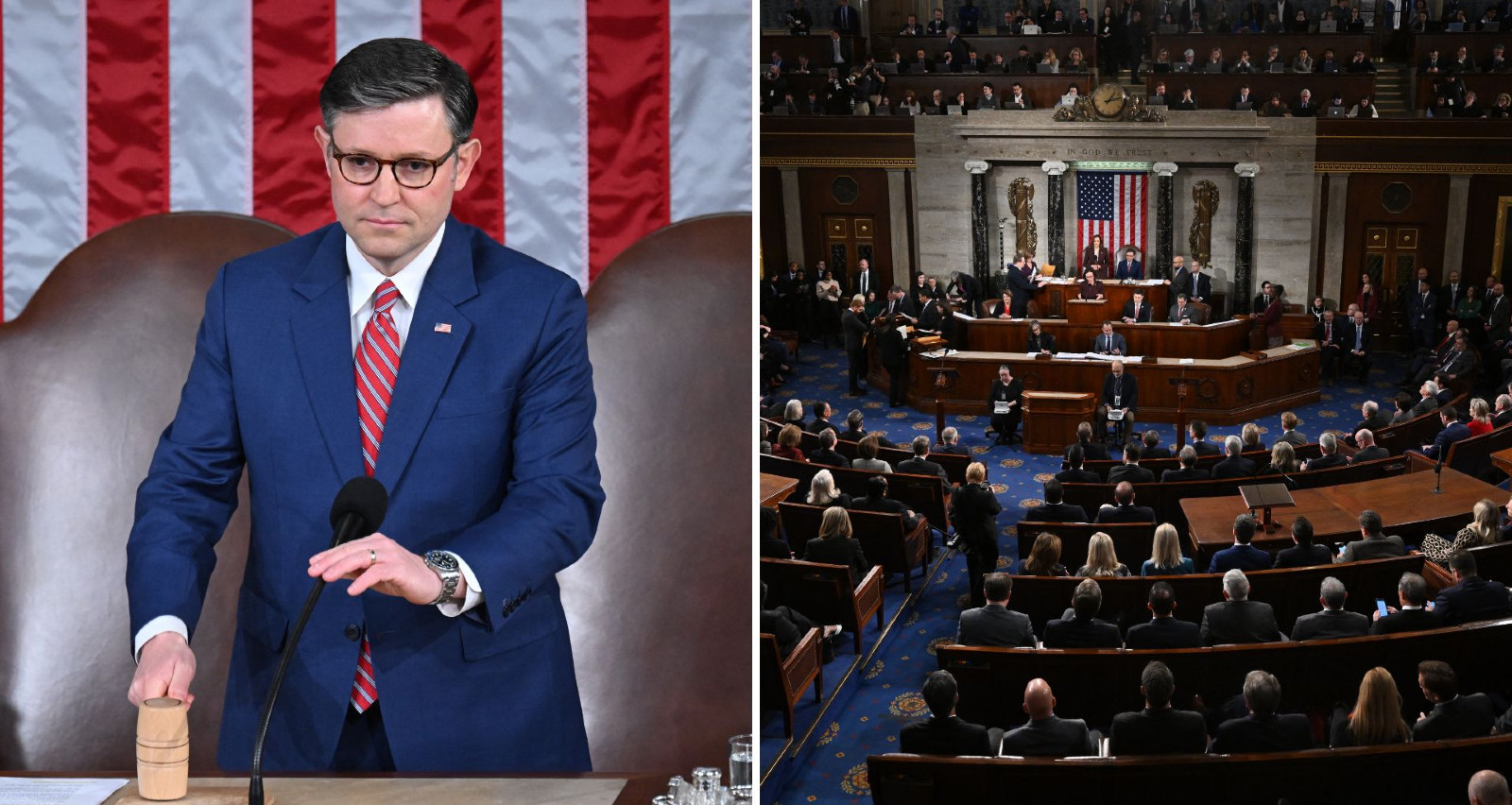
House Speaker Mike Johnson defended the stopgap bill as a practical compromise, noting that DHS agencies had previously received significant funding allocations. He said those resources allow operations to continue while negotiations proceed.
Meanwhile, House Minority Leader Hakeem Jeffries said Democrats would continue to push for accountability measures before supporting a longer-term DHS funding package.
Some Republicans who voted against the bill argued that it missed an opportunity to address border security and election-related legislation. Others stressed the importance of reopening the government and avoiding further disruptions.
Government Operations Resume
With the president’s signature, federal agencies affected by the shutdown are expected to resume normal operations. The White House confirmed that government employees will return to work Wednesday morning.
While the shutdown has ended, lawmakers now face renewed pressure to reach a broader agreement before DHS funding expires next month.