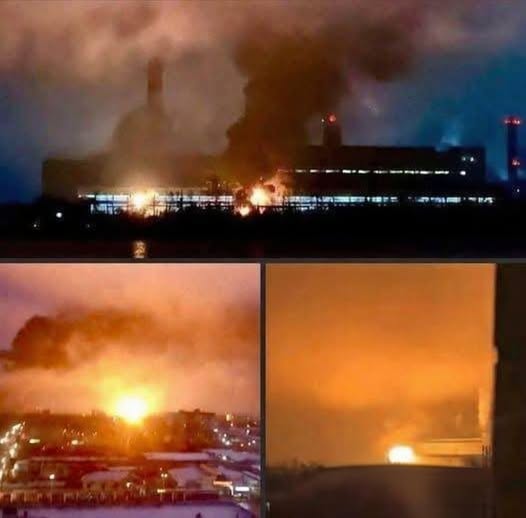
Large storms can overwhelm power grids. Wildfires can force evacuations with little warning. Flooding can block roads. Extreme cold can strain heating systems. Cyber or infrastructure issues can temporarily disrupt services that people normally take for granted.
This does not mean people should panic. It means they should plan.
Preparedness is not about fear. It is about control. When families have basic supplies, communication plans, and backup options, they are less likely to feel helpless during stressful situations.
Why Weather Events Are Getting More Attention
Weather-related emergencies remain one of the biggest reasons people are rethinking preparedness.
A powerful winter storm can shut down roads, delay emergency response, and leave homes without heat. In some areas, heavy snow and freezing temperatures can make travel dangerous within hours.
On the other side of the country, drought and wildfire conditions can create a completely different kind of threat. Dry vegetation, strong winds, and high temperatures can cause fires to spread quickly, forcing families to leave their homes with very little time to prepare.
Then there are floods, tornadoes, hurricanes, and severe thunderstorms. Each region faces different risks, but the lesson is the same: knowing your local hazards matters.
A family in Minnesota may need a winter survival kit. A family in California may need an evacuation bag. A family in Florida may need hurricane supplies. Preparedness should match the risks of the area.
Power Outages Are a Growing Concern
One of the biggest concerns during emergencies is losing electricity.
A power outage can affect heating, cooling, food storage, medical devices, internet access, phone charging, and basic home safety. Even a short outage can be inconvenient. A longer outage can become dangerous, especially for elderly people, families with infants, or anyone who depends on powered medical equipment.
That is why more households are thinking about backup power. Some invest in portable generators. Others use battery banks, solar chargers, or home energy storage systems. Even simple items like flashlights, extra batteries, and charged power banks can make a difficult situation easier.
The goal does not have to be full independence. For most families, the goal is basic resilience: enough power to communicate, stay warm or cool, keep essential devices running, and remain safe until services return.
The Importance of Local Preparedness
National headlines often focus on major disasters, but most emergency preparation happens at the local level.
The people who help first are often neighbors, relatives, local firefighters, police officers, utility crews, medical workers, and community volunteers. During the first hours of an emergency, local action matters most.
This is why every household should know the basics:
Where is the safest place in the home during severe weather?
What is the evacuation route?
Where are important documents stored?
Who should be contacted first?
Does everyone in the family know what to do if phones stop working?
Are pets included in the plan?
These questions are simple, but many families never answer them until a crisis is already happening.
Building a Practical Emergency Kit
An emergency kit does not need to be complicated or expensive. It should simply cover the basics for at least a few days.
A good starter kit includes bottled water, non-perishable food, flashlights, batteries, a first-aid kit, needed medications, hygiene items, phone chargers, copies of important documents, cash, blankets, and basic tools.
Families with children should include comfort items, baby supplies, and simple activities. Pet owners should include food, water, leashes, carriers, and medication for their animals.
The point is not to prepare for every possible scenario. That is impossible. The point is to avoid being completely dependent on outside help during the first stage of an emergency.
Staying Informed Without Panicking
Information is one of the most important tools during any emergency.
Reliable updates can help people know when to stay home, when to evacuate, which roads are closed, where shelters are available, and when conditions are expected to improve.
But not all information is useful. During tense moments, rumors spread quickly online. Dramatic posts, unverified claims, and misleading warnings can create confusion.
The safest approach is to follow official local sources, emergency management agencies, weather services, and trusted local news outlets. Families should also consider having a battery-powered or hand-crank radio in case internet or phone service becomes unreliable.
Prepared people do not react to every rumor. They watch credible updates and make calm decisions.
Why Community Matters
One of the strongest forms of preparedness is community connection.
Knowing your neighbors can make a real difference. During emergencies, people may need help clearing snow, checking on elderly residents, sharing supplies, charging phones, or caring for pets.
Strong communities recover faster because people are not facing everything alone.
Preparedness is often described as an individual responsibility, but it works best when it becomes a shared mindset. A neighborhood where people communicate and look out for each other is far stronger than a group of isolated households.
Learning From Past Disruptions
Every emergency teaches lessons.
A winter storm may reveal that a family needs better heating backup. A flood warning may show that important documents should be stored in a waterproof container. A wildfire evacuation may prove that a go-bag should be packed before danger arrives. A long power outage may remind people to keep vehicles fueled and phones charged.
The best time to improve a plan is after noticing what did not work.
Preparedness is not a one-time project. It is something people update as their lives change. A household with young children has different needs than a single adult. A family with pets has different needs than one without. A person with medical needs may require a more detailed plan.
The plan should fit real life.
Emergency Preparedness Is Not About Fear
One of the biggest misunderstandings about preparedness is that it is driven by fear.
In reality, good preparation often reduces fear.
When people know what to do, they feel calmer. When supplies are ready, decisions are easier. When families have a communication plan, confusion is reduced. When homes have backup options, disruptions become more manageable.
Preparedness does not mean expecting disaster every day. It means respecting the fact that unexpected events happen.
That is a practical mindset, not a fearful one.
A New Focus on Resilience
More Americans are now thinking about resilience in everyday terms.
That can mean installing solar panels, keeping emergency supplies, learning basic first aid, having backup water, improving home insulation, clearing brush around a property, or simply knowing how to shut off utilities safely.
It can also mean financial preparedness. Having some emergency savings, keeping cash on hand, and knowing insurance details can all help after a major disruption.
Resilience is not only about surviving the moment. It is about recovering faster afterward.
The Role of Government and Infrastructure
Household preparedness is important, but larger systems also matter.
Roads, bridges, power grids, water systems, emergency communications, and hospitals all play major roles during disasters. When infrastructure is strong, communities are safer. When it is outdated or overwhelmed, emergencies become harder to manage.
This is why infrastructure planning remains a major public issue. Stronger grids, better warning systems, improved emergency response coordination, and updated transportation networks can reduce the impact of future disruptions.
Preparedness works best when individuals, communities, and public systems all do their part.
What Families Can Do Now
The best step is to start small.
You do not need to build a perfect emergency plan in one day. Begin with the basics: water, food, flashlights, medication, phone charging, and a family contact plan.
Then build from there.
Check local risks. Review weather alerts. Know evacuation routes. Store important documents safely. Keep your vehicle reasonably fueled. Make sure every family member knows where supplies are kept.
Small actions taken before an emergency can prevent major stress later.
Final Thoughts
America does not need fear. It needs preparation.
The world is unpredictable, and emergencies can happen in many forms — storms, fires, outages, floods, public safety alerts, or infrastructure disruptions. But panic does not help. Planning does.
Being prepared means thinking ahead, staying informed, protecting your family, and supporting your community. It means understanding that safety is not only the responsibility of officials or emergency workers. It also starts at home.
A calm, prepared household is stronger than a fearful one.
And in uncertain times, that kind of readiness can make all the difference.
Have you started building an emergency plan for your home? Share your best preparedness tips in the comments and let others know what items you think every family should keep ready.