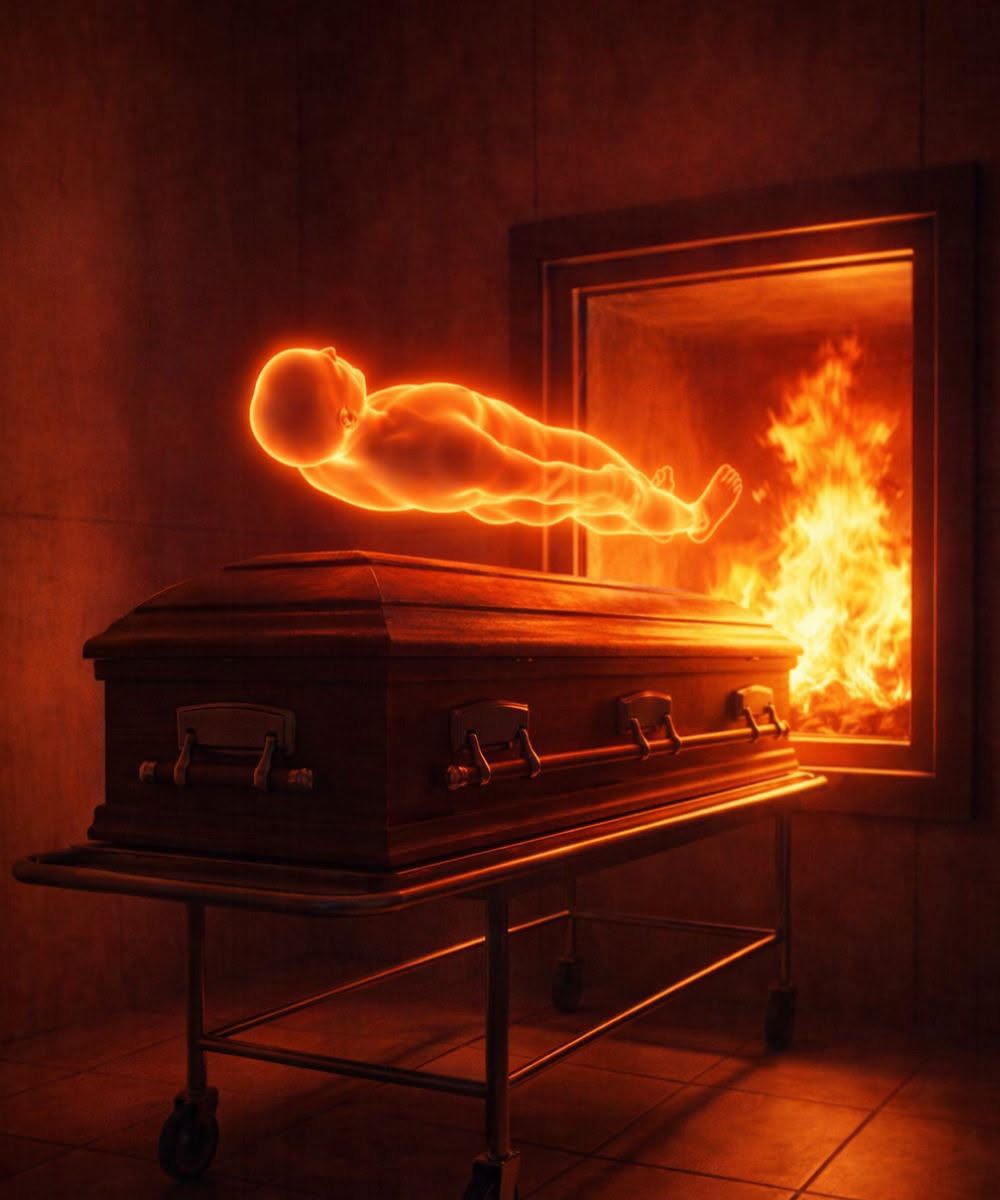
Another important consideration involves the biblical view of the human body. Many faith communities teach that the body is part of God’s creation and should be treated with dignity and care throughout life and after death. For some families, burial reflects that belief in a visible and symbolic way.
However, many theologians also emphasize that resurrection and eternal hope are understood to depend on God’s power rather than the physical condition of earthly remains. History is filled with examples of people whose bodies were lost through natural disasters, wars, accidents, or other tragic events. In these cases, most mainstream Christian traditions affirm that God’s ability to bring about resurrection is not limited by human circumstances.
Motivation is another key factor frequently highlighted by pastors and scholars. A family choosing cremation because of financial hardship, cultural customs, or practical necessity may be viewed very differently than someone acting with intentional disrespect. Compassion, sincerity, and reverence often carry significant weight in religious discussions.
Ultimately, many faith leaders encourage believers to approach end-of-life decisions prayerfully, thoughtfully, and with respect for both personal convictions and family traditions. Whether one chooses burial or cremation, the emphasis remains on honoring the deceased and reflecting values of faith, humility, and love.
The conversation surrounding cremation reflects broader questions about tradition, changing cultural practices, and individual conscience. While opinions differ among denominations and religious communities, many agree that the most enduring legacy a person leaves behind is found not in funeral arrangements but in the character, compassion, and faith they demonstrated throughout life.
What are your thoughts on this topic? Share your perspective respectfully in the comments, and consider passing this article along to encourage meaningful conversations about faith, tradition, and honoring loved ones.