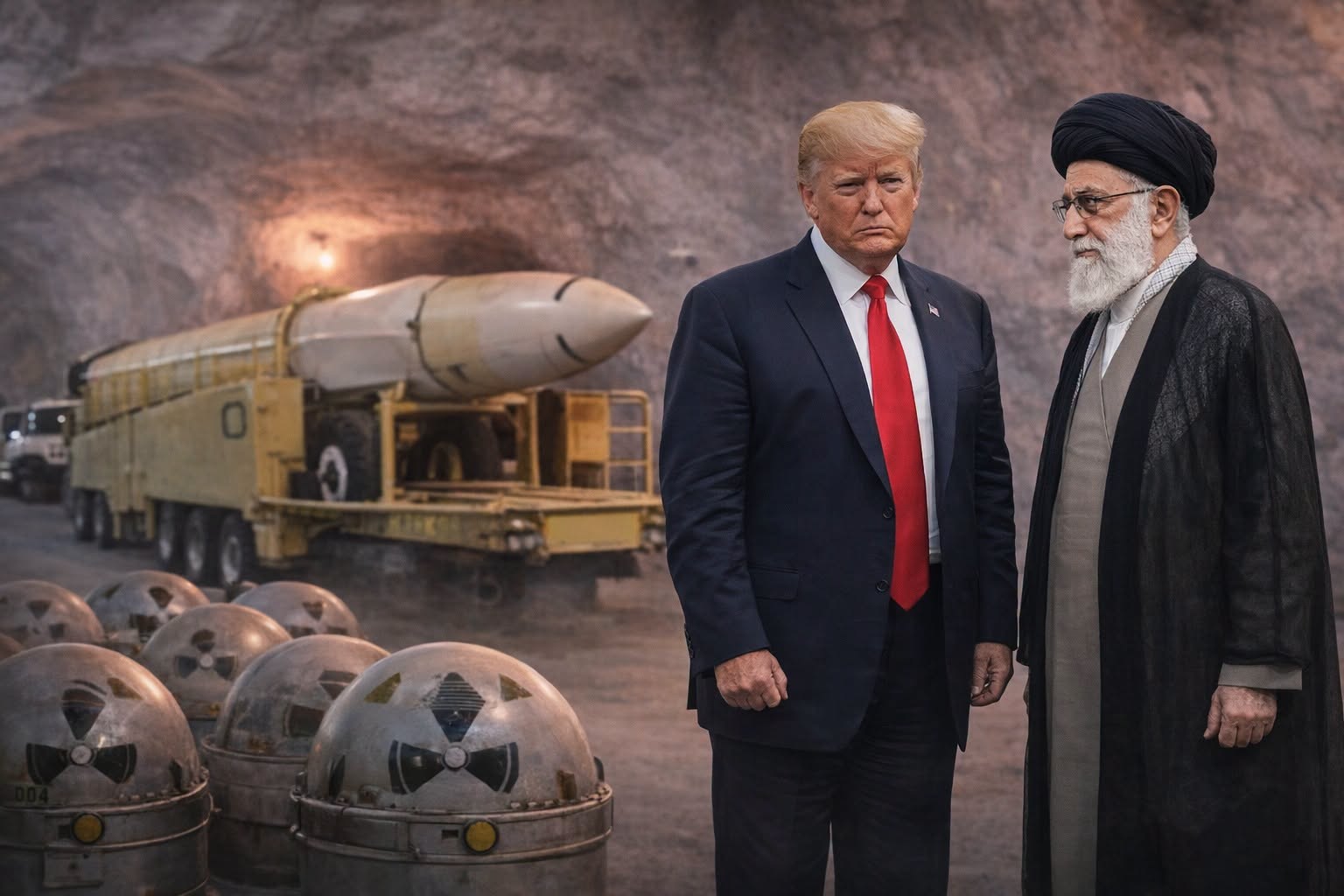
The Strategic Purpose of Underground Facilities
Countries around the world use hardened military facilities to protect important assets from potential attacks. Underground locations can provide protection from aerial surveillance and improve the ability of military forces to maintain operations during periods of tension.
Iran has invested significantly in developing underground infrastructure as part of its broader defense strategy. Officials have described these facilities as a way to maintain national security and ensure military readiness.
Iran’s Missile Program
Iran maintains one of the largest missile arsenals in the Middle East, according to assessments from international security organizations and government agencies.
The country’s missile systems include short-range and medium-range platforms designed for different operational purposes. These include families such as the Fateh, Zolfaghar, and Shahab series, which have been discussed by analysts in relation to regional military capabilities.
Iran has stated that its missile program is focused on defense and deterrence, while some governments have expressed concerns about the potential use of these systems in regional conflicts.
Advances in Missile Technology
In recent years, Iran has continued developing missile technologies, including systems designed to improve range, accuracy, and maneuverability.
Programs involving ballistic missiles, cruise missiles, and newer aerospace technologies have attracted international attention. Analysts continue to debate the technical capabilities of these systems and their potential impact on regional security.
The development of advanced missile technology has become part of a broader global discussion about military modernization and strategic competition.
The Role of Drones in Modern Warfare
Iran has also expanded its drone capabilities, with unmanned systems becoming increasingly important in modern conflicts.
Military analysts have highlighted the growing use of drones worldwide because they can provide surveillance capabilities and, in some cases, be used in military operations at lower cost than traditional aircraft.
The increasing availability of drone technology has changed how countries approach defense planning and battlefield strategies.
Regional Security Concerns
Iran’s military developments remain a major topic of discussion among governments, defense experts, and international organizations.
Supporters of Iran’s defense strategy argue that these capabilities are necessary for deterrence and national protection. Critics argue that the expansion of missile and drone programs could increase regional tensions.
The situation continues to evolve as countries assess military developments, diplomatic efforts, and security challenges in the Middle East.
The Importance of Verification and Reliable Information
Information about underground military facilities and weapons programs is often based on satellite imagery, official statements, intelligence assessments, and expert analysis. Because many details remain classified, claims about specific capabilities should be evaluated carefully.
Understanding these developments requires looking at multiple sources and considering the broader context of international security.
Conclusion
Iran’s underground military facilities and missile programs represent an important factor in discussions about Middle Eastern security. While these systems demonstrate significant investment in defense infrastructure, their exact capabilities and future impact continue to be studied by analysts around the world.
As military technology continues to develop, transparency, diplomacy, and careful analysis remain important in addressing global security challenges.