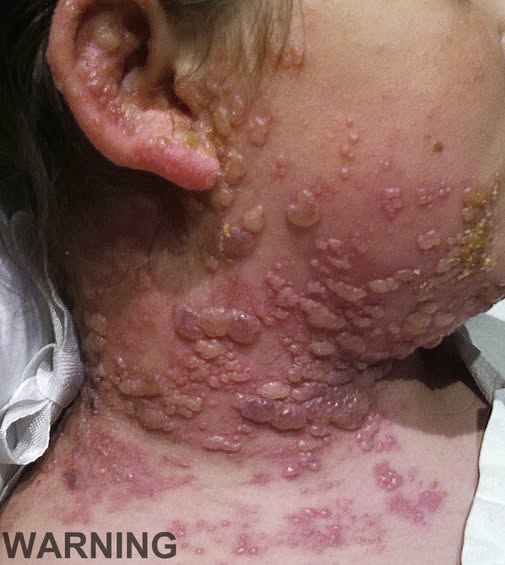
What Is Shingles?
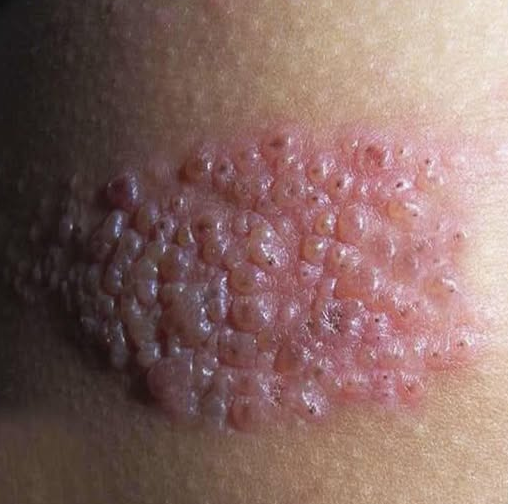
Shingles is caused by the varicella-zoster virus—the same virus that causes chickenpox. After a person recovers from chickenpox, the virus does not leave the body completely. Instead, it remains inactive in nerve tissue, sometimes for many years.
Later in life, the virus can reactivate, leading to shingles.
Why Does Shingles Develop?
Shingles often occurs when the immune system becomes less effective at keeping the virus inactive. Several factors may contribute to this, including:
- Natural aging
- Periods of prolonged stress
- Certain chronic health conditions
- Medical treatments that affect the immune system
- Physical or emotional strain
While shingles is more common in adults over age 50, it can occur in younger adults as well.
Early Signs and Symptoms
Shingles often begins with symptoms that may seem unrelated at first. Common early signs include:
- Tingling or burning sensations
- Pain in a specific area of the body
- Increased sensitivity to touch
- Itching or discomfort
These symptoms may appear several days before a rash develops.
How the Rash Appears
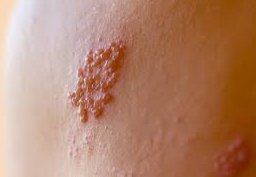
A shingles rash typically appears on one side of the body or face. This happens because the virus reactivates along a specific nerve pathway.
The rash often develops into clusters of fluid-filled blisters. While the rash itself can be uncomfortable, the associated nerve pain is often the most significant symptom.
Treatment and Recovery
Prompt medical attention is important. Antiviral medications are often most effective when started within 72 hours of the rash appearing. Early treatment may:
- Shorten the duration of symptoms
- Reduce the severity of the outbreak
- Lower the risk of complications
If you suspect shingles, contacting a healthcare professional as soon as possible is recommended.
Possible Complications
One of the most common complications is postherpetic neuralgia, a condition in which nerve pain persists after the rash has healed.
This lingering discomfort can affect daily activities, sleep, and overall quality of life. Early diagnosis and treatment may help reduce this risk.
Is Shingles Contagious?
Shingles itself is not spread from person to person. However, someone with an active shingles rash can transmit the varicella-zoster virus to a person who has never had chickenpox or has not been vaccinated against it.
In that case, the exposed person may develop chickenpox—not shingles.
Until the rash has fully crusted over, it is wise to avoid direct contact with:
- Pregnant women who have not had chickenpox or the vaccine
- Newborns
- People with weakened immune systems
Prevention Through Vaccination
Vaccination is one of the most effective ways to reduce the risk of shingles and its complications. Health authorities recommend the shingles vaccine for many older adults and others who may be at increased risk.
A healthcare provider can help determine whether vaccination is appropriate for you.
The Importance of Overall Wellness
Maintaining general health can support a strong immune system. Helpful habits include:
- Managing stress
- Getting enough sleep
- Eating a balanced diet
- Staying physically active
- Attending regular medical checkups
Final Thoughts
Shingles is a well-understood condition, but it is often underestimated. Recognizing the early signs, seeking prompt treatment, and understanding preventive options can make a meaningful difference.
Being informed is an important step toward protecting your health and reducing the risk of complications.